Urban Emissions Context
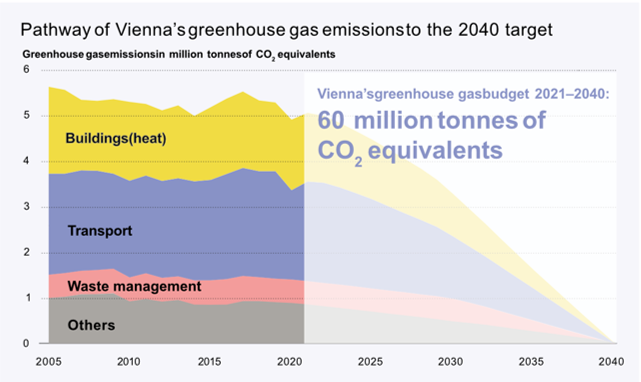
Cities are responsible for roughly 70% of global CO2 emissions, with transport and buildings as major contributors (IPCC). The EU proposed a 2040 target to cut greenhouse‑gas emissions by 90% from 1990 levels (IPCC). Municipal inventories can be uncertain because they rely on bottom‑up activity data and assumptions, motivating measurement‑based approaches.
Vienna Urban Carbon Laboratory (VUCL)
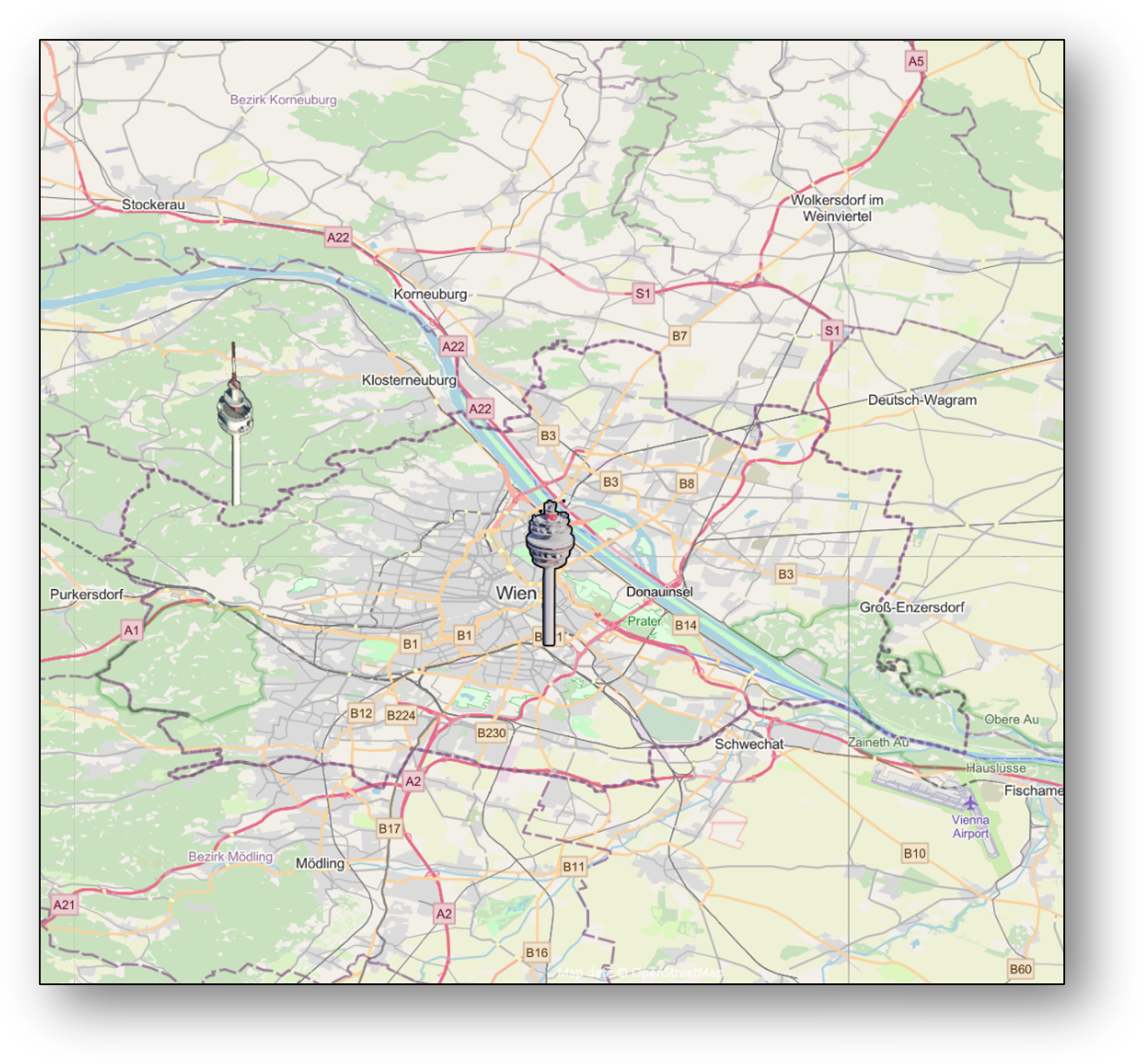
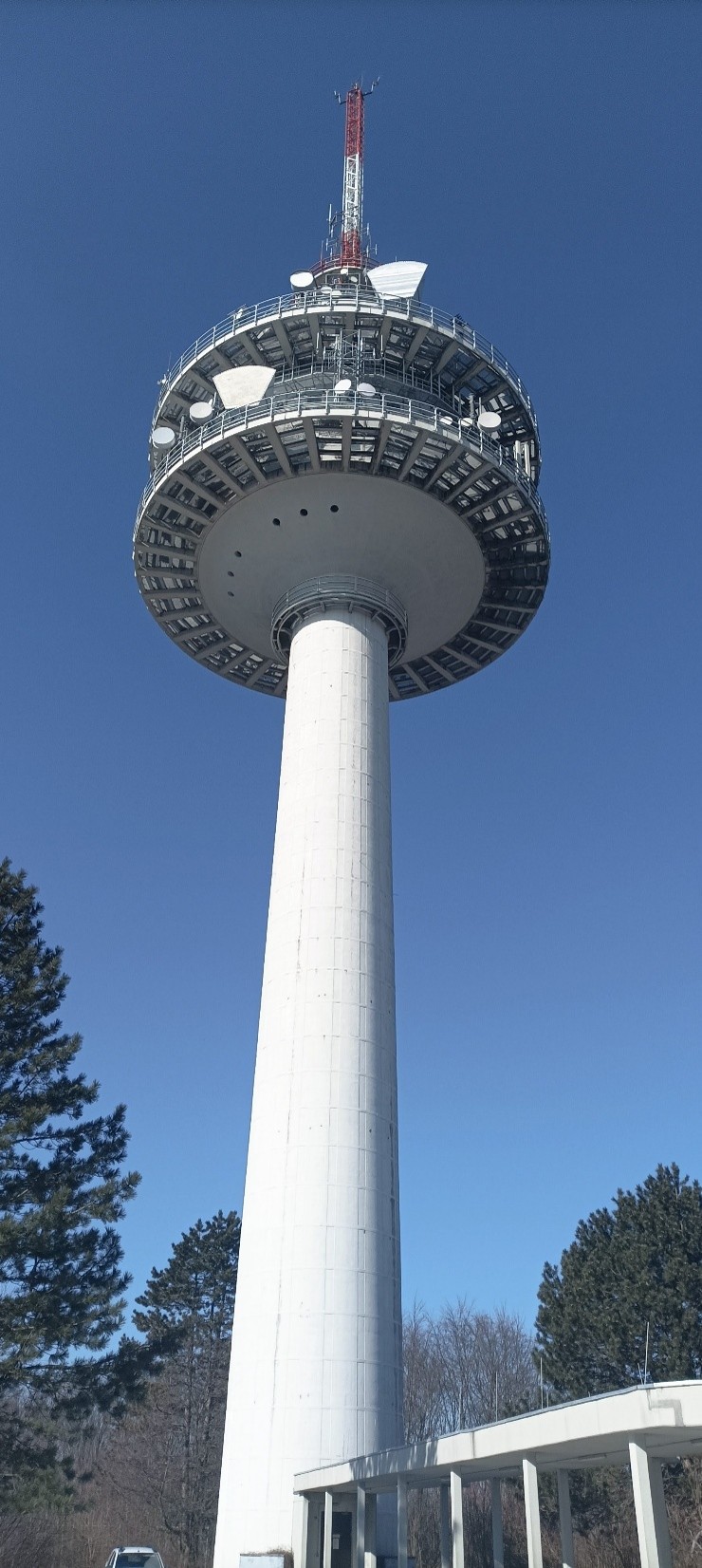
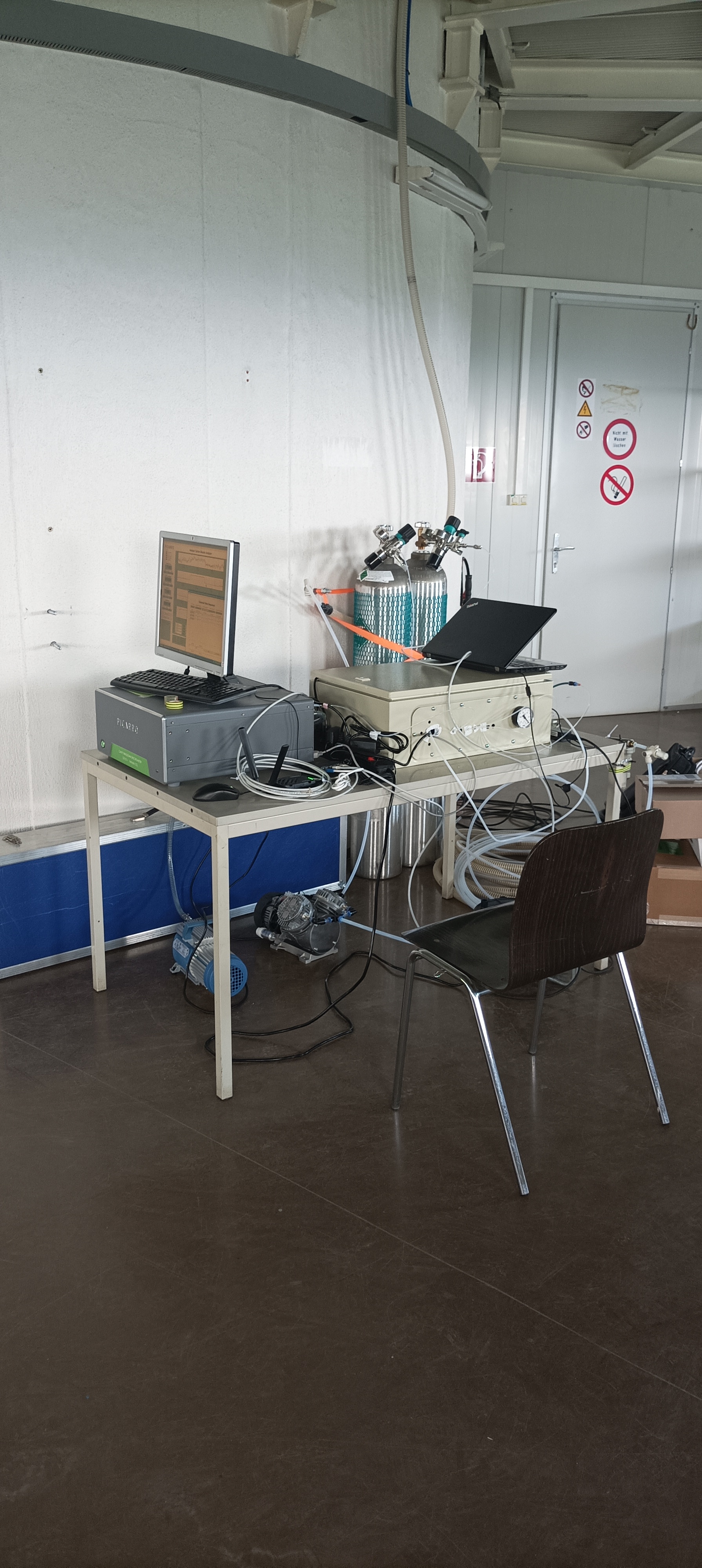
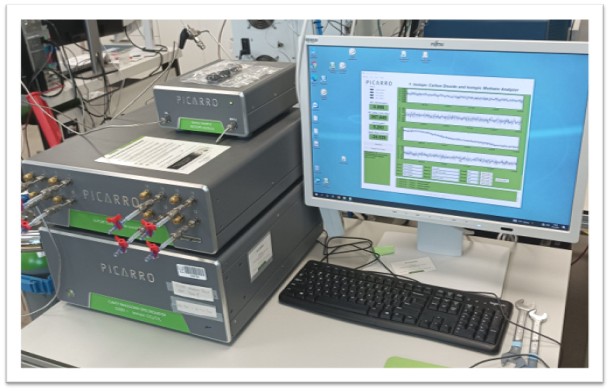
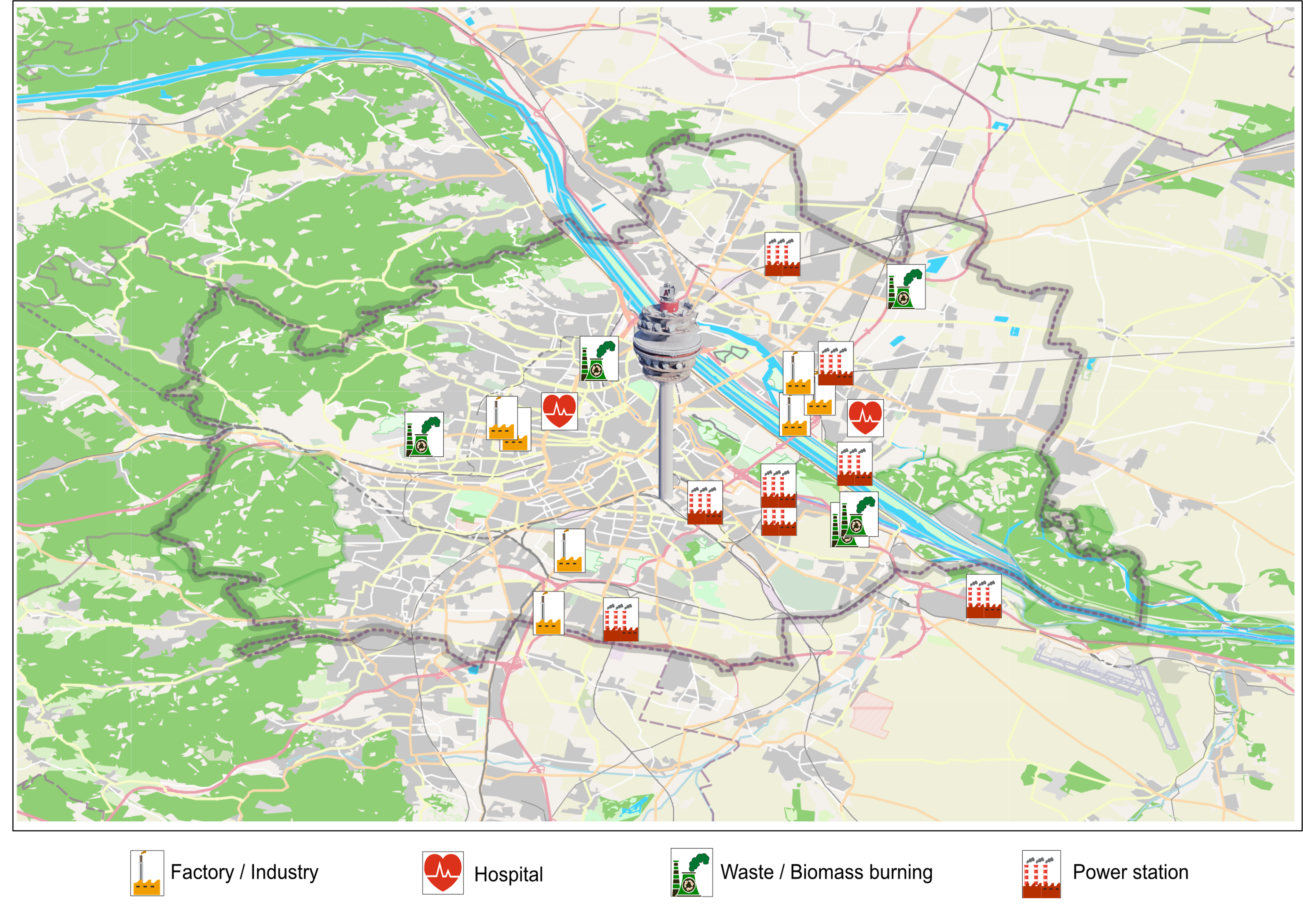
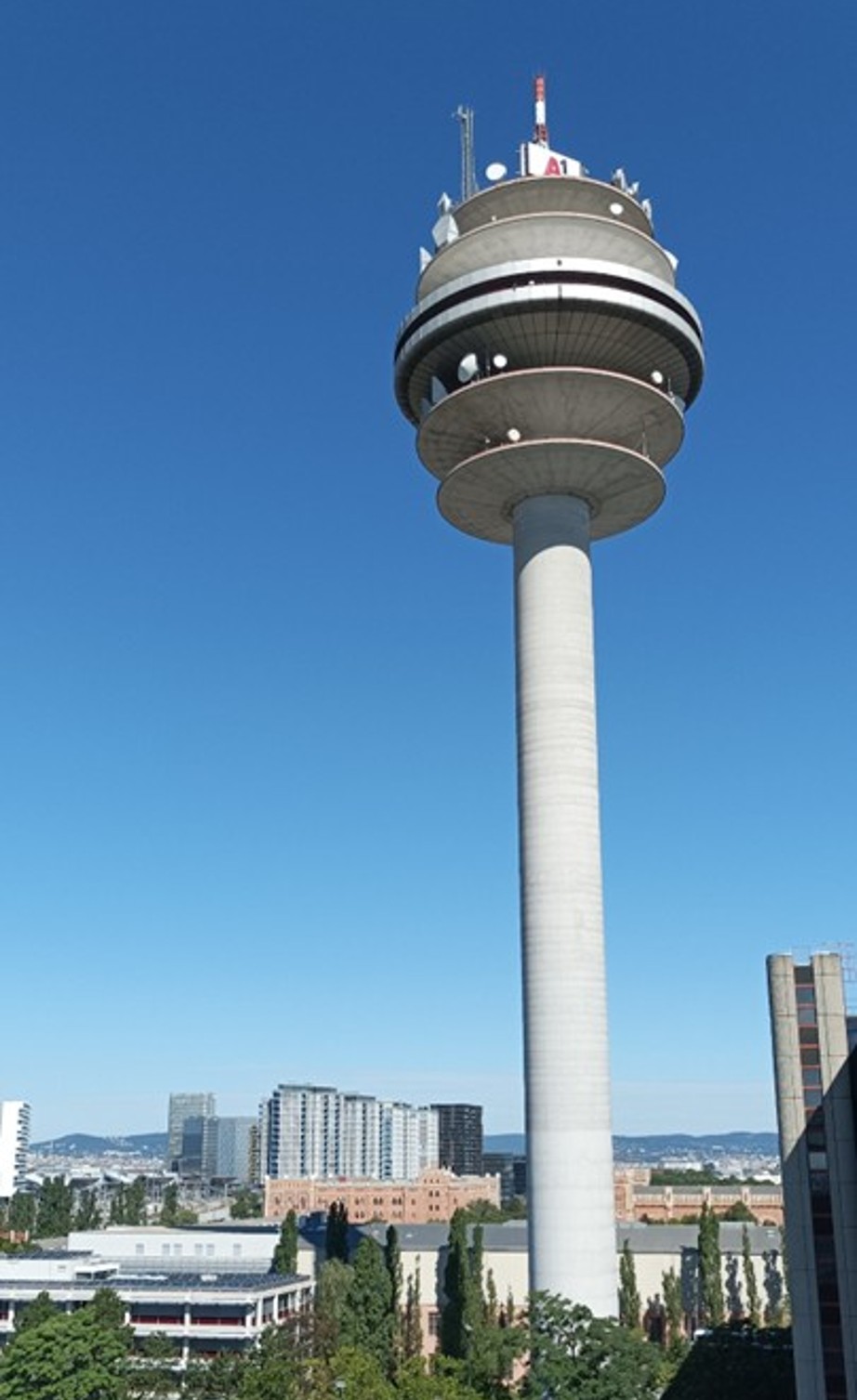
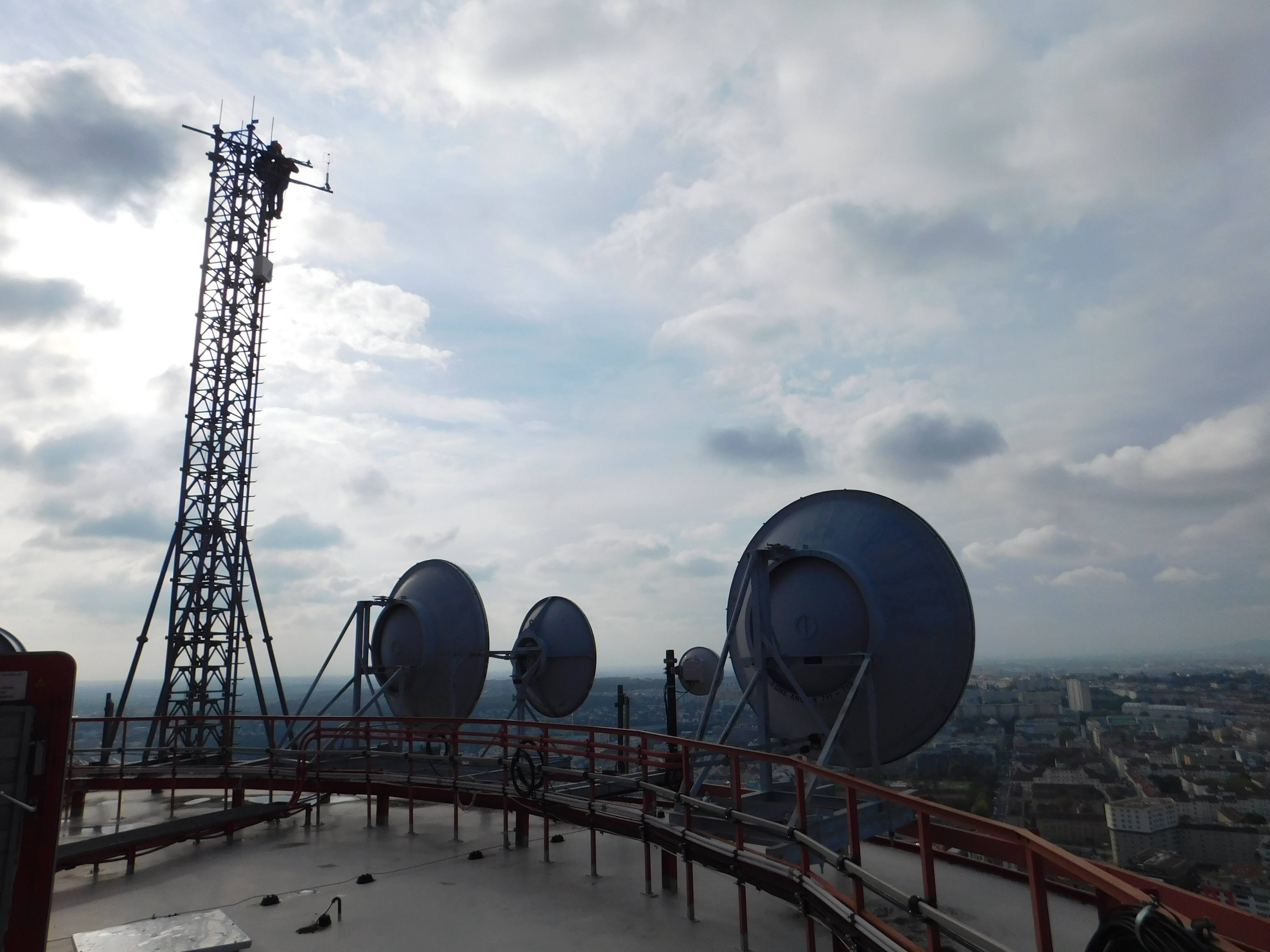
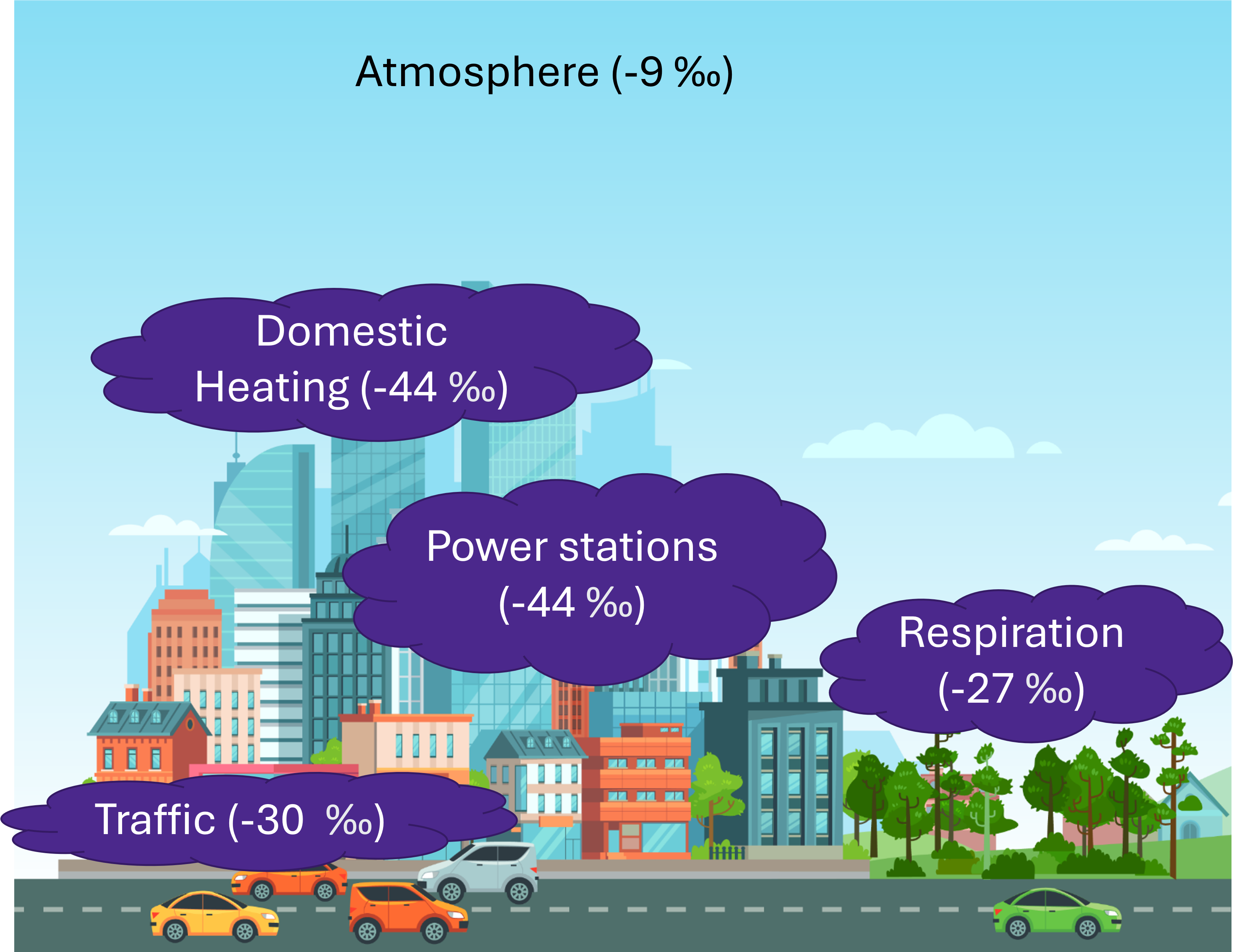
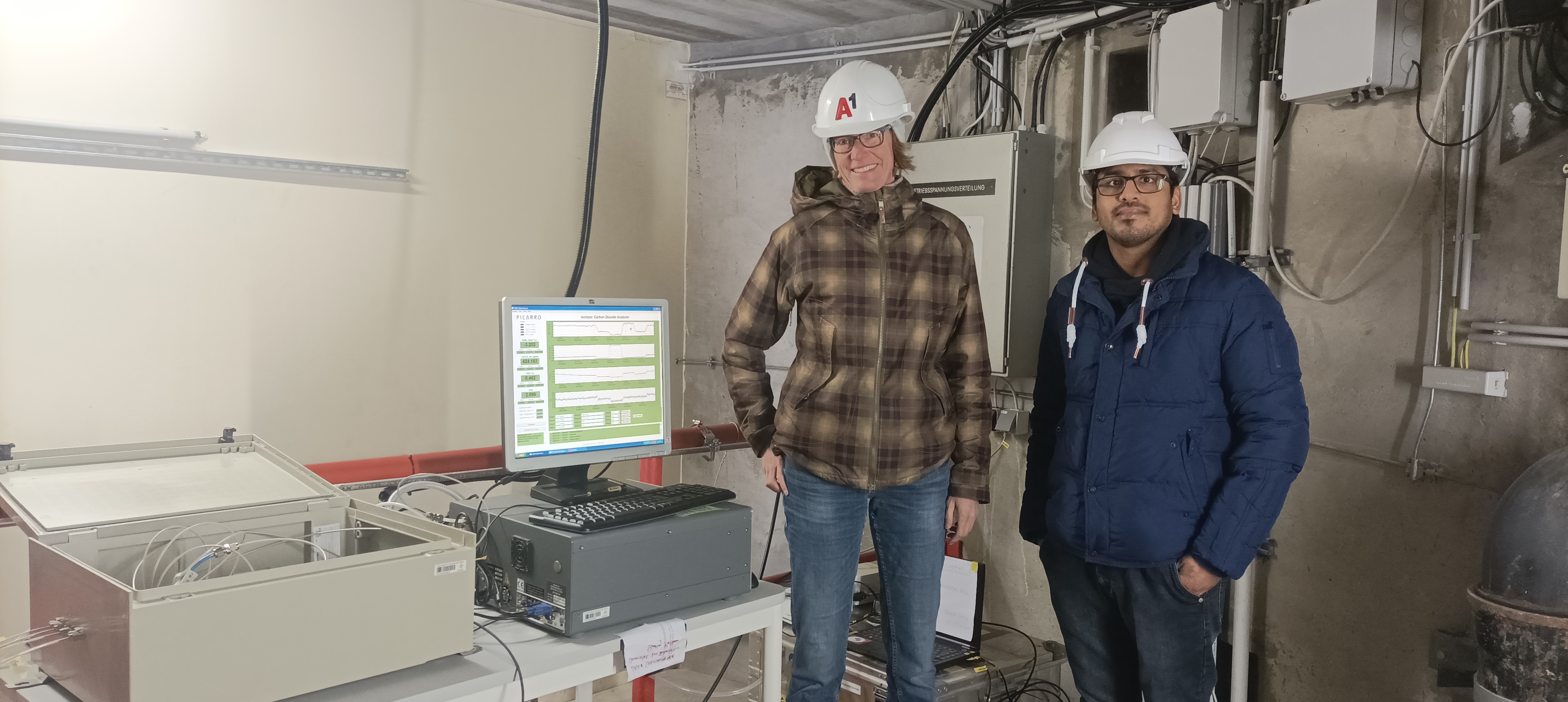
VUCL tests whether measurement‑based monitoring can provide accurate city‑scale emission estimates. Using a 144 m tower in Vienna, we measure CO2 and CH4 fluxes by eddy covariance, and combine δ13C isotope measurements. The project links BOKU, TUM, and the Environment Agency Austria. The project is funded Vienna Science and Technology Fund led by Dr. Bradley Matthews (Umweltbundesamt), Dr Andrea Watzinger (BOKU) and Jia Chen (TUM) (wwtf.at).
Constraining Vienna’s Carbon Footprint (CVCF)
Building on VUCL, CVCF (led by Prof. Andreas Stohl, Dr. Andrea Watzinger, and Dr. Bradley Matthews) continues long‑term flux, concentration, and isotope measurements of CO2 and CH4 and adds a peri‑urban station to capture incoming air masses. We develop clumped‑isotope techniques to separate traffic from biogenic sources, couple atmospheric transport with inverse modelling to quantify city‑wide emissions, and aim to create a measurement‑based inventory (cvcf-vienna.univie.ac.at).