Profile
Dr. Kathiravan Meeran, Ph.D

Ocean

Southern Ocean Carbon Sink

The Southern Ocean plays a vital role in the global carbon cycle. Airborne observations indicate that waters south of ~45°S absorb ~0.53 PgC more than they release each year, accounting for over 40% of human‑produced CO2 that enters the ocean (earthobservatory.nasa.gov).
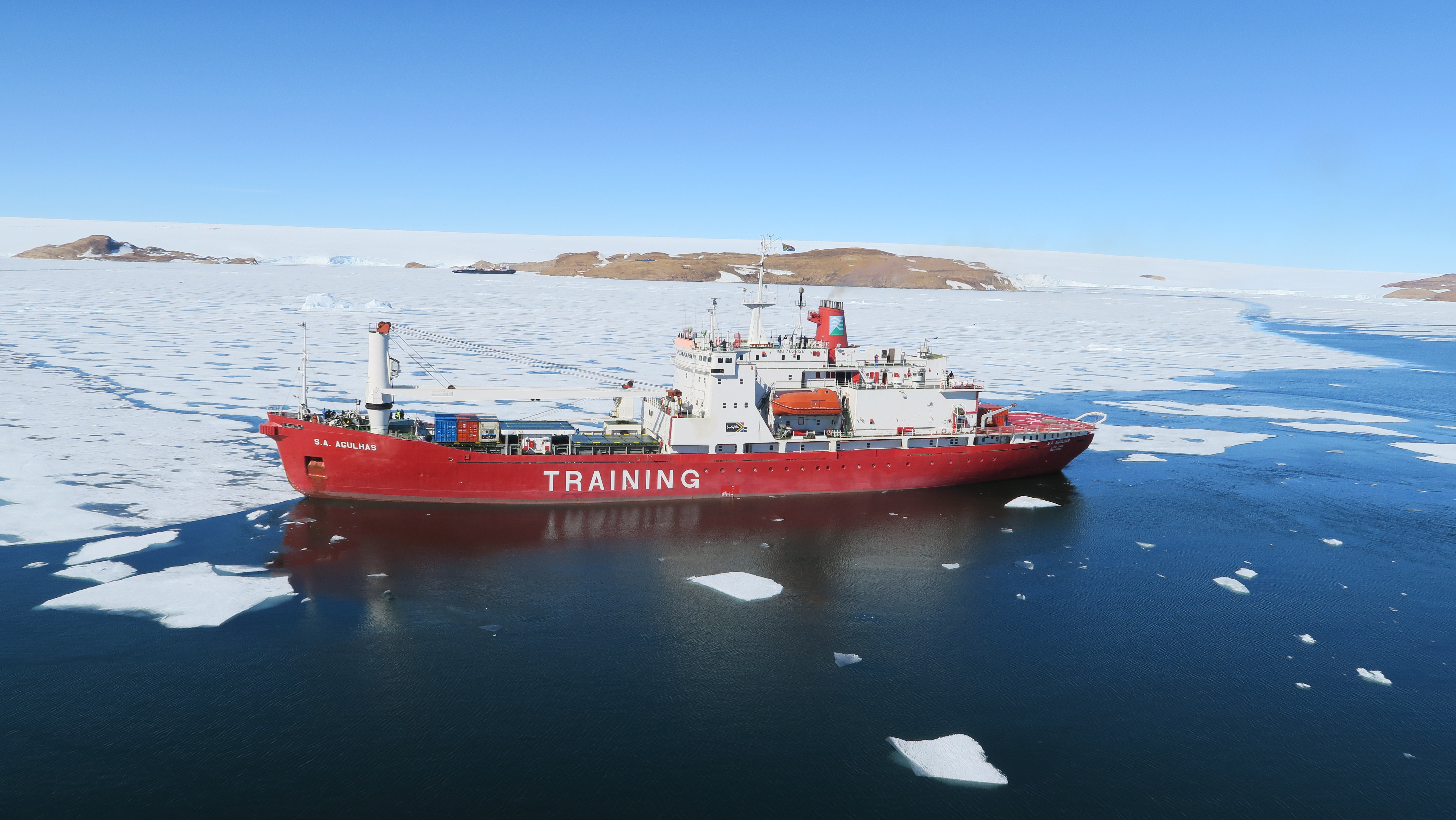
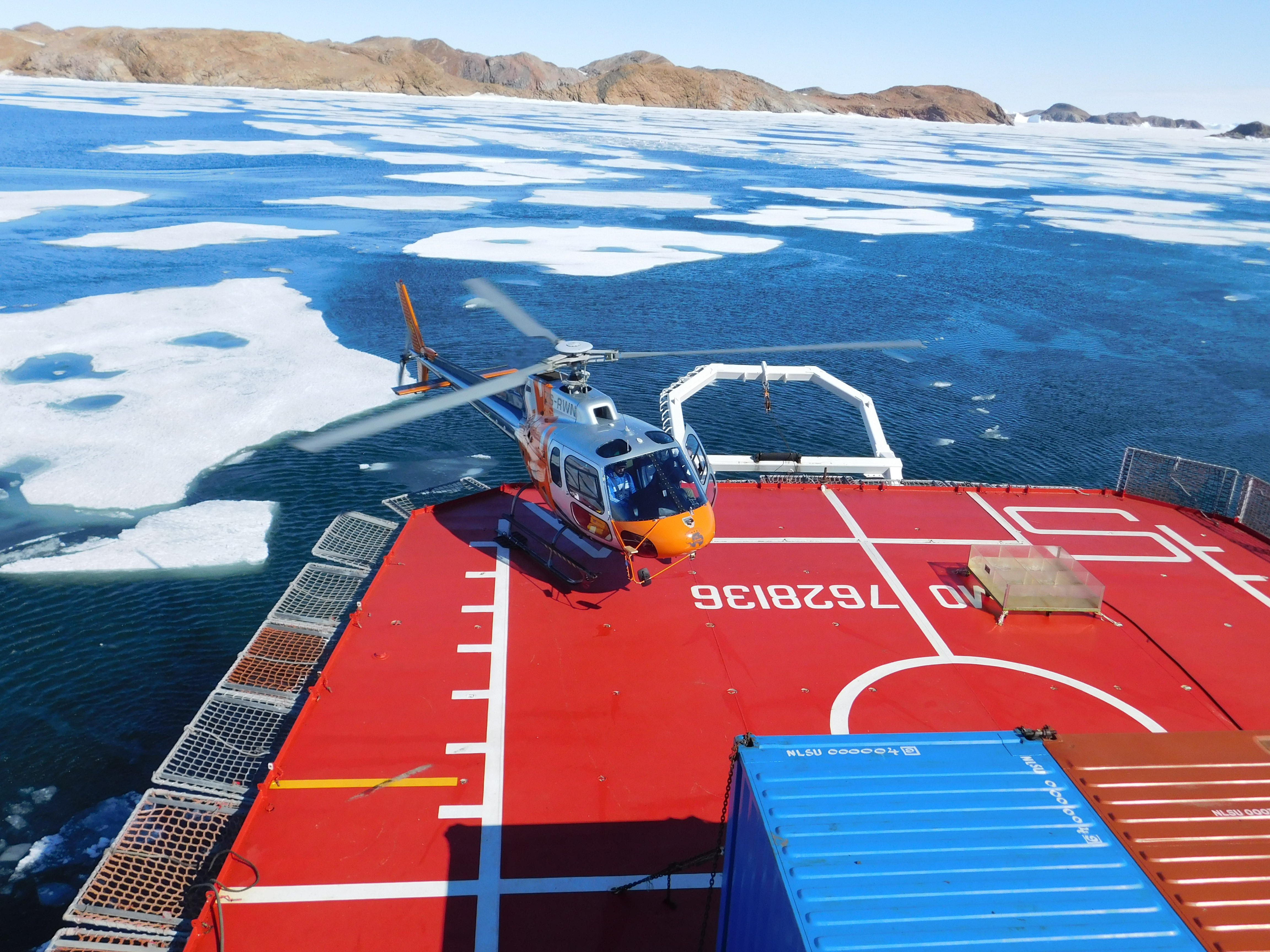
Research vessel in the Southern Ocean
Research vessel during transects across frontal zones—collecting water samples and CO2 measurements.
Southern Ocean sea state
Open ocean conditions where air–sea CO2 exchange drives a major global carbon sink.
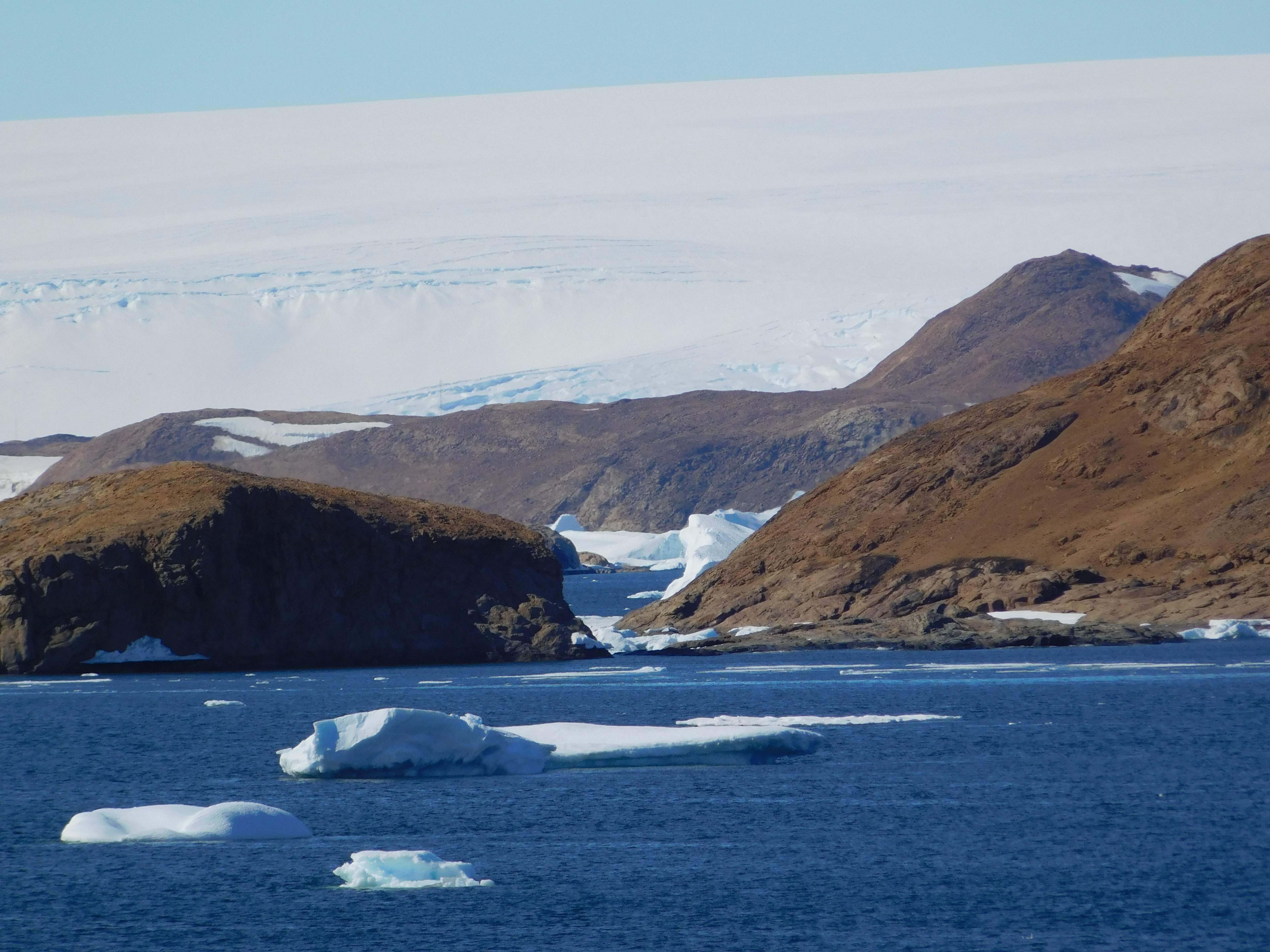
Prydz Bay, Indian sector
Prydz Bay in the Indian sector—contrasting waters reveal gradients in carbon chemistry.

NPOAR Expedition (2017)

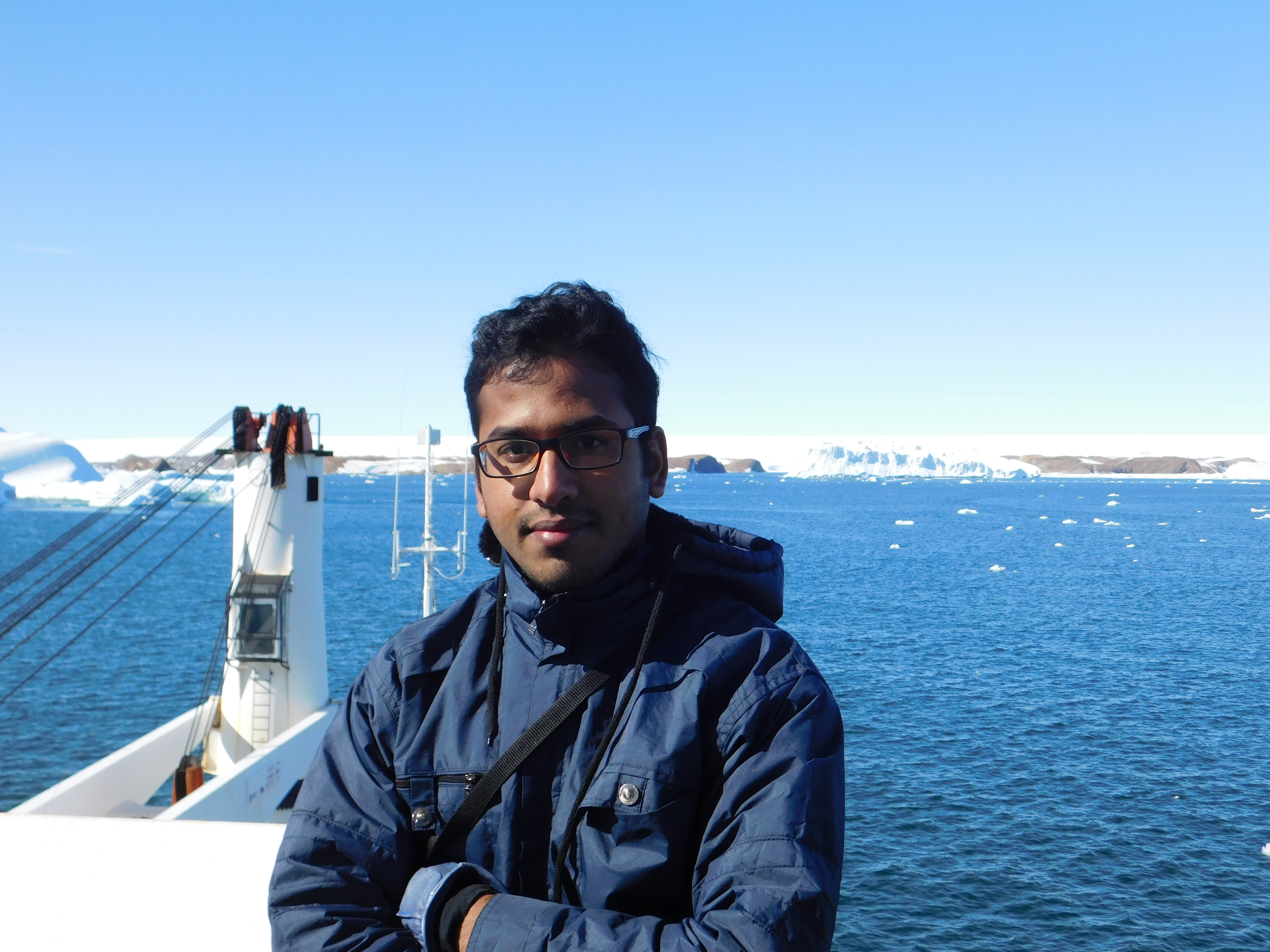
I joined a southern ocean expedition organized by the NATIONAL CENTRE FOR POLAR AND OCEAN RESEARCH NCPOR. We collected seawater samples and measured dissolved inorganic carbon, stable carbon and nitrogen isotopes, and air–sea CO2 fluxes. Isotopic tracers helped quantify sources and sinks of carbon and nutrients and evaluate how this region responds to climate change.

My master thesis on this topic demostrate how C and O isotopes can help us understand photosynthesis and respiration process in the Southern Ocean.
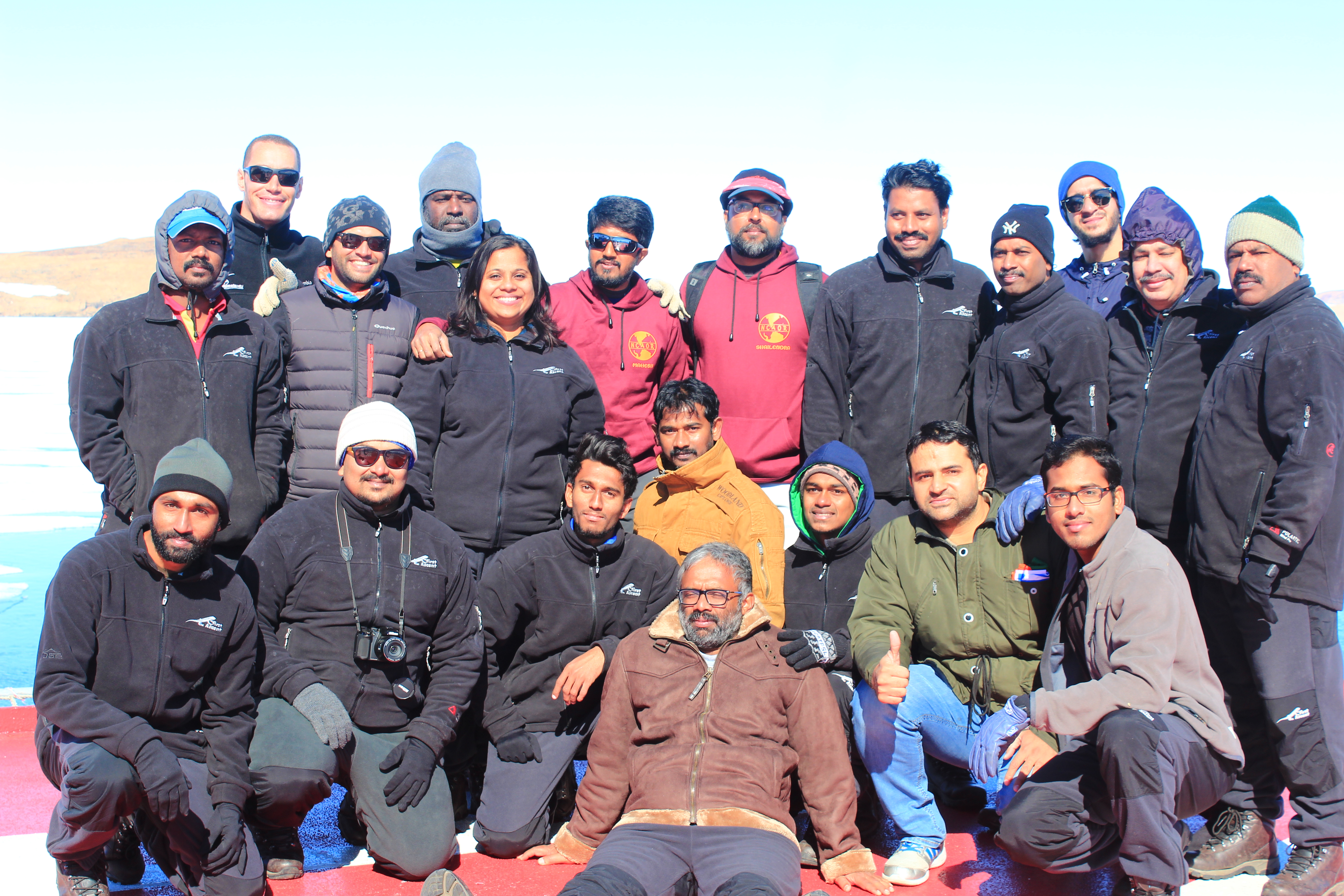
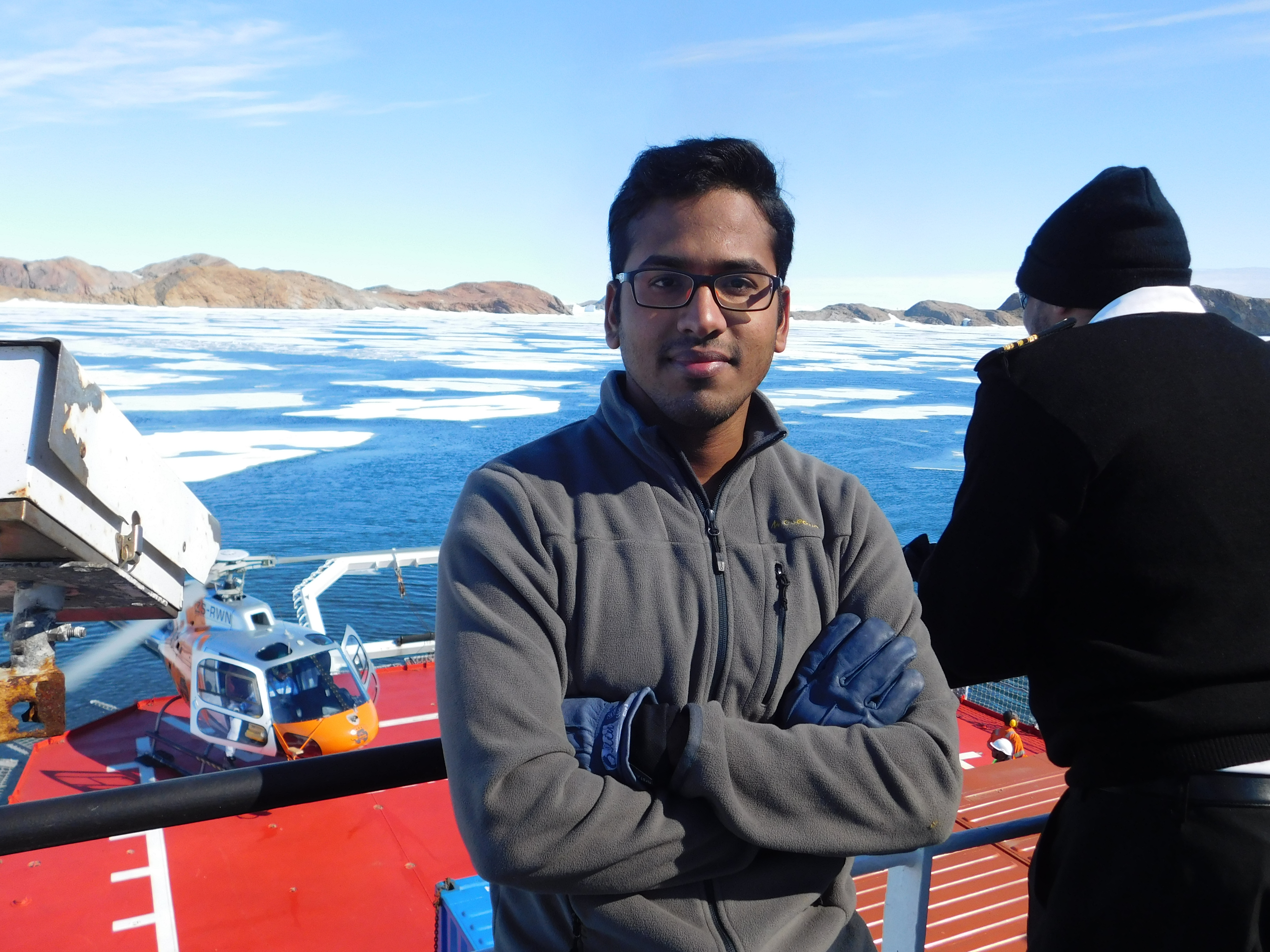
Research team on deck
Team on deck preparing sampling lines and onboard measurements.
Deck work in Southern Ocean
Deck operations during station work—carbon and nutrient samples collected across transects.
Prydz Bay sea ice features
Sea‑ice features influencing gas exchange and water‑mass properties.
Sea state variation across fronts
Changing sea states mark transitions between major frontal systems.
Sunset over Southern Ocean
Evening conditions during long legs between stations in the Indian sector.
Prydz Bay transect view
Prydz Bay transect—contrasting water masses sampled during the expedition.