
Tropical Forest: WALD (Biosphere 2)
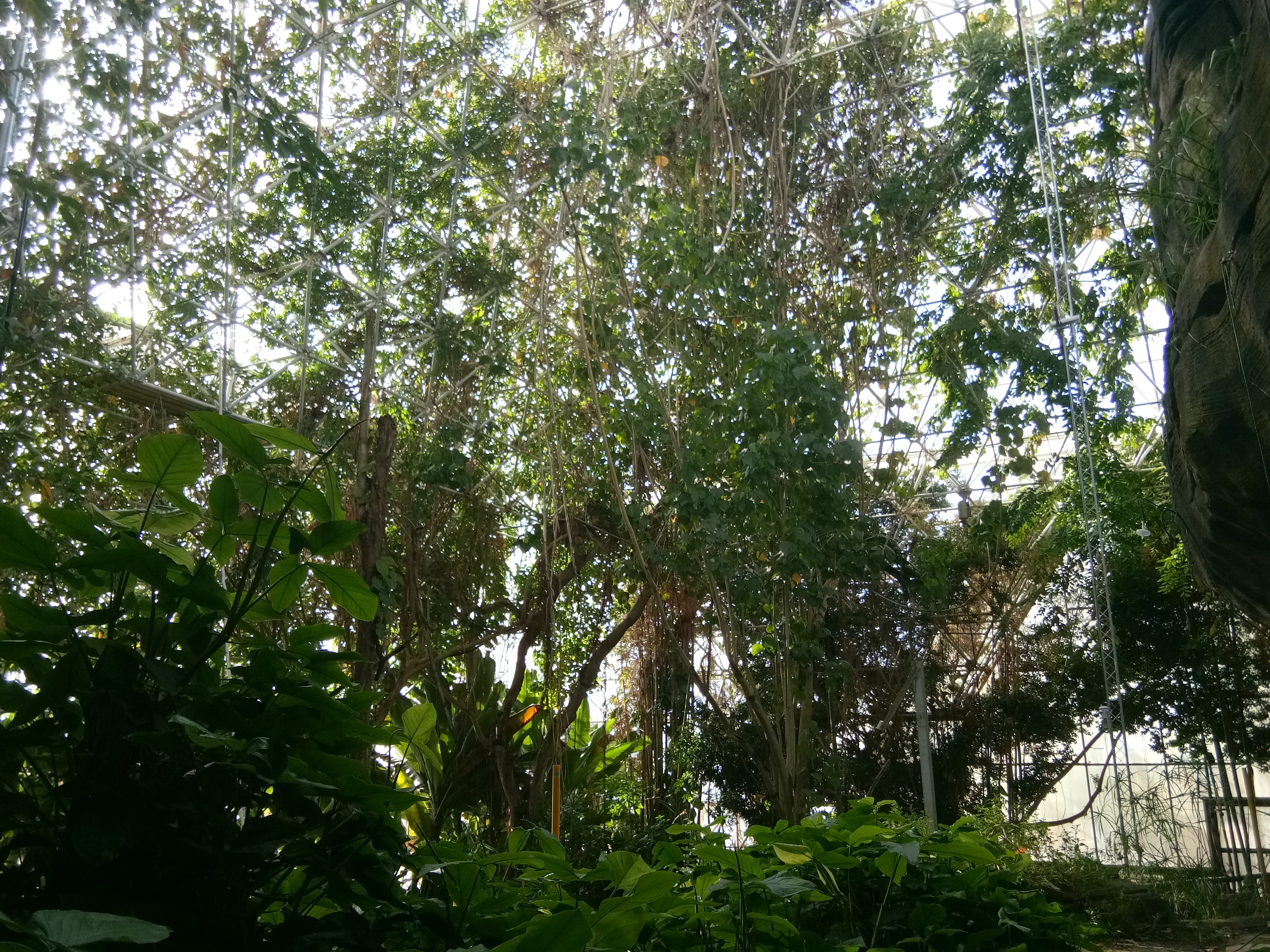
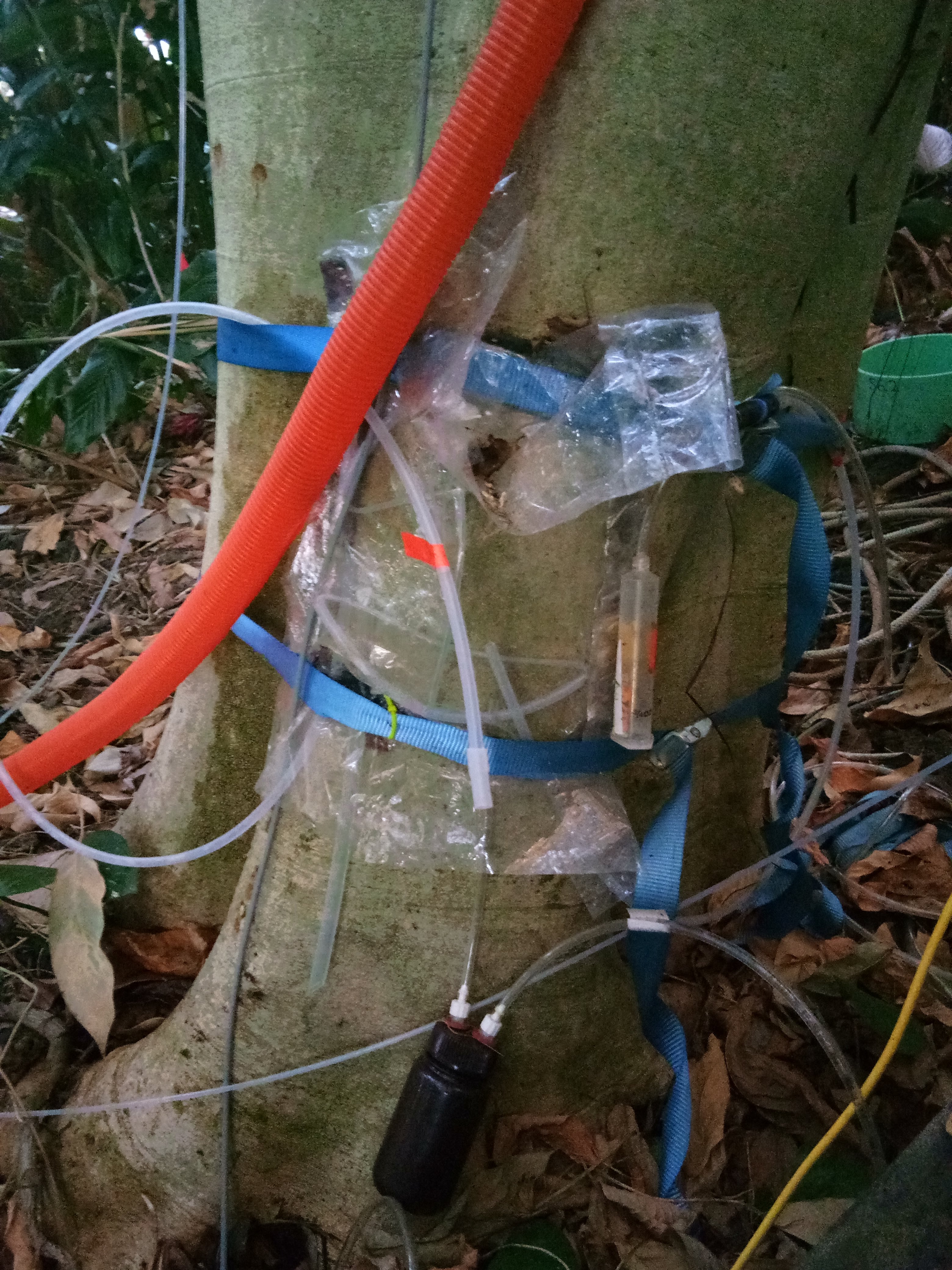
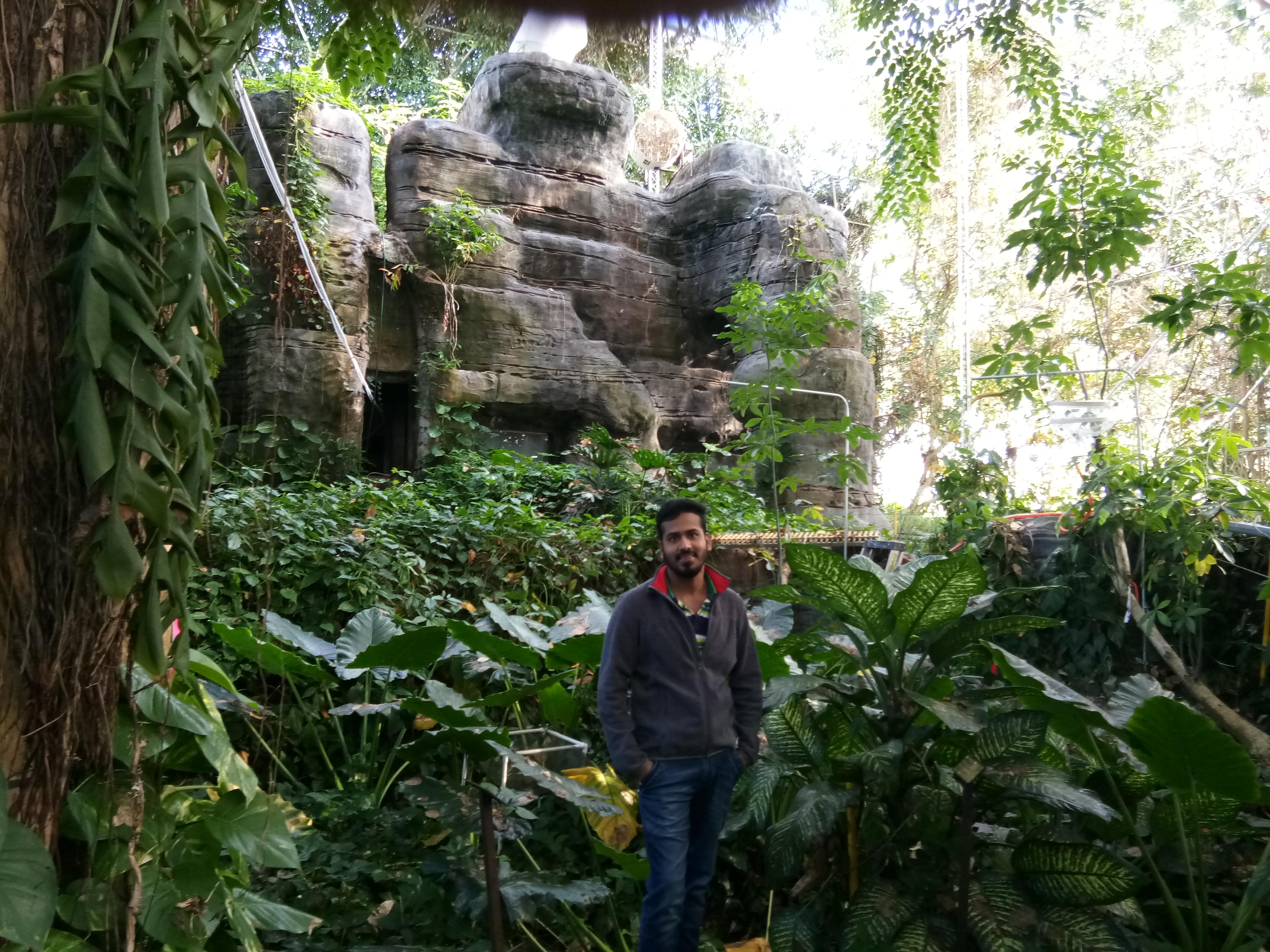
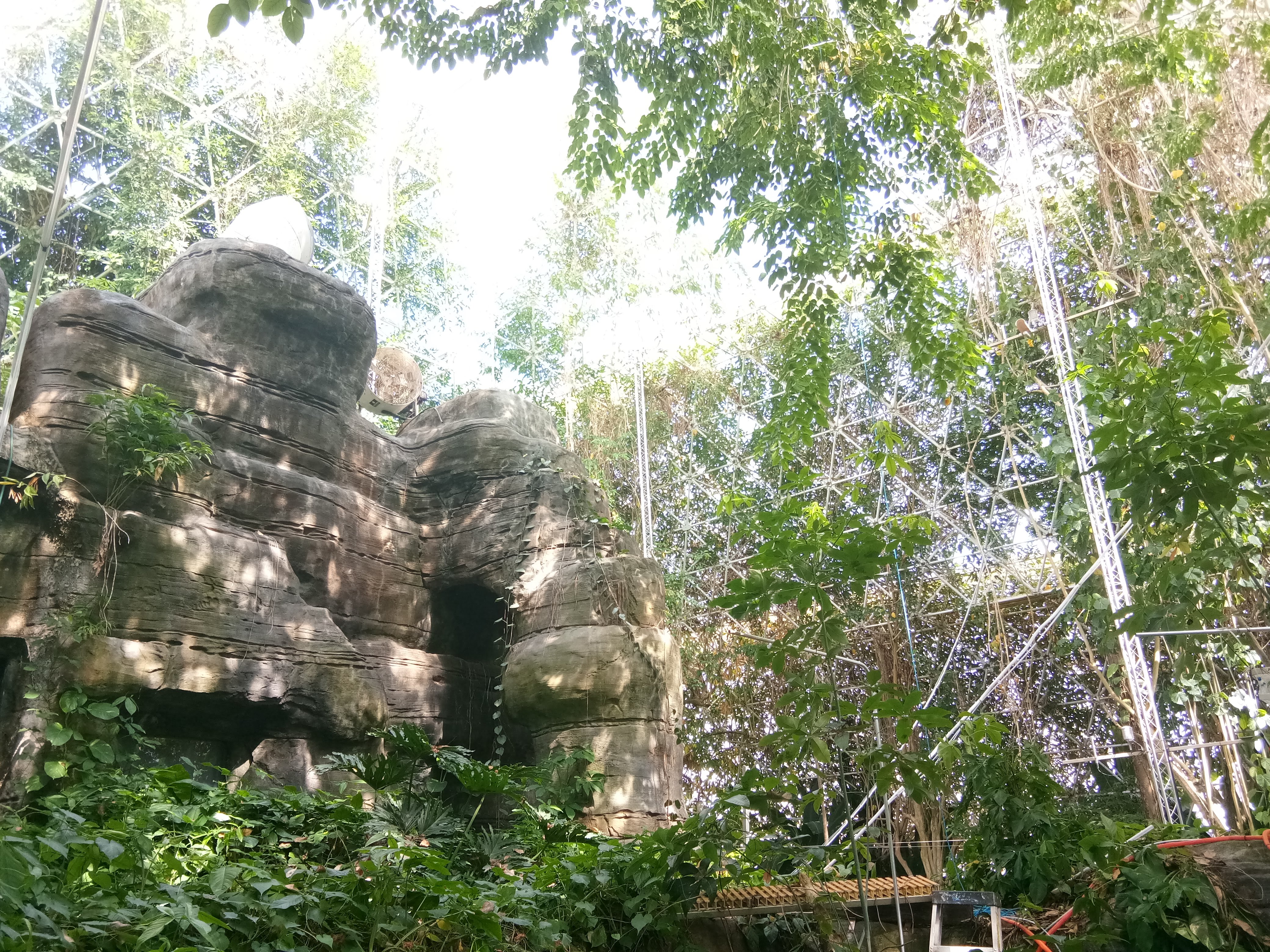
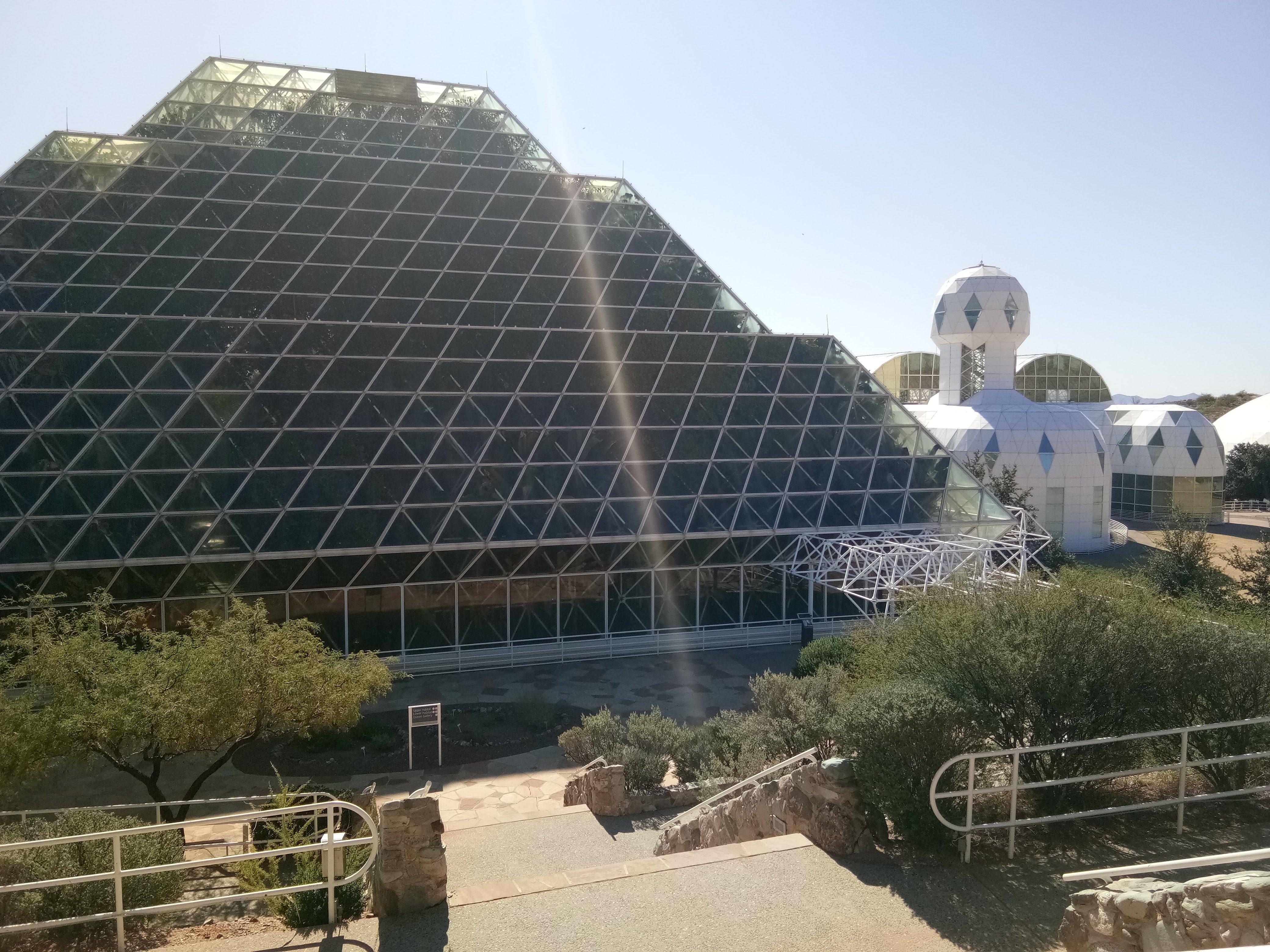
The WALD experiment at the Biosphere 2 tropical rain forest traced how carbon and water move through an enclosed forest during extreme drought. The whole ecosystem was labelled with isotopically enriched 13C‑CO2 and water to follow the fate of carbon and water through plants, soil and microbes (biosphere2.org).
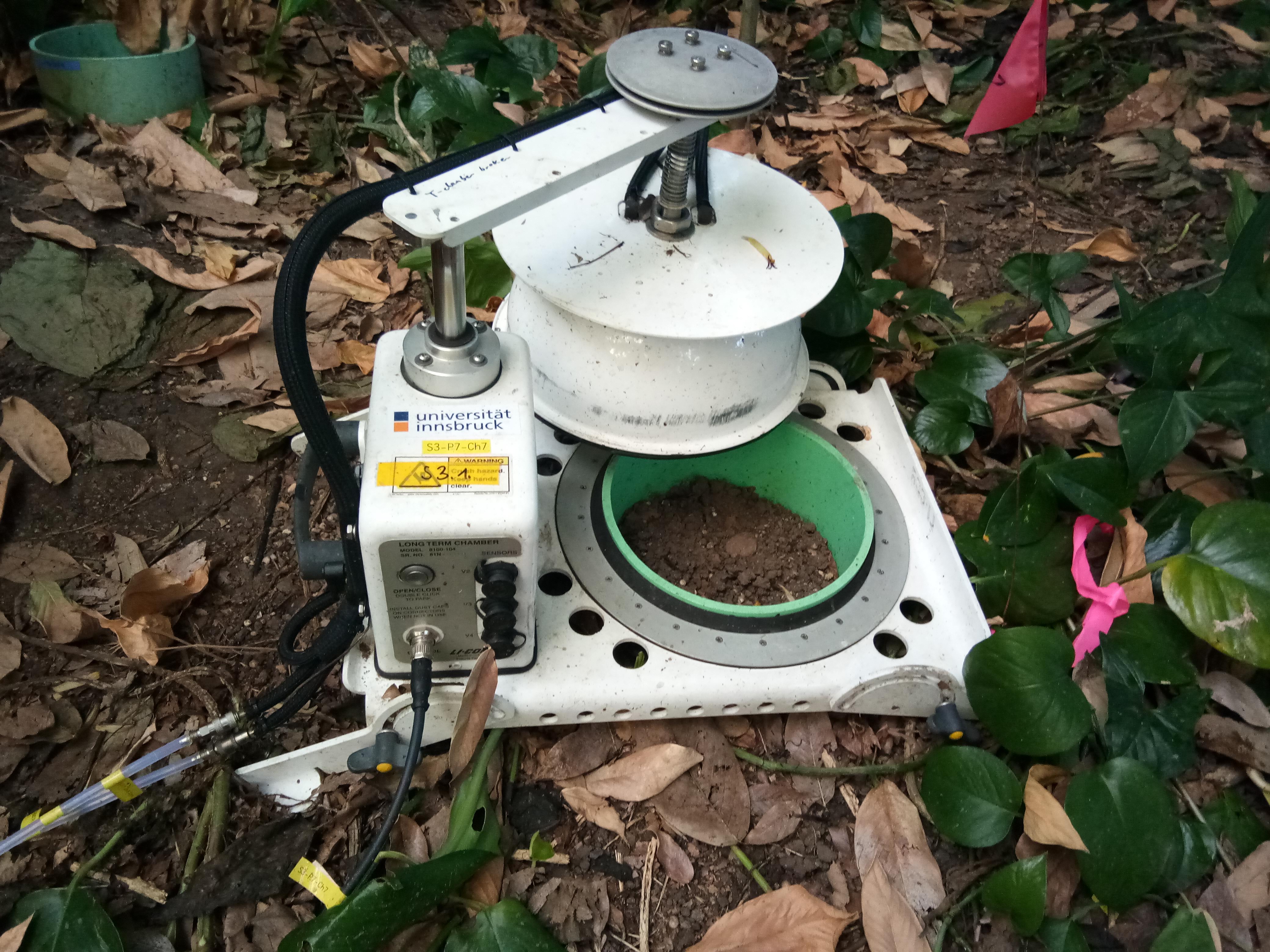
Instruments included a δ13C‑CO2 laser spectrometer, a PTR‑TOF‑MS, and automated measurement setup for real‑time measurements of CO2, VOCs, and water vapour, with a site‑wide network of gas analysers and tubing to close carbon and water budgets(biosphere2.org).
Key findings
- The rainforest was driven through a four‑month drought and recovery; carbon storage declined by ~70% yet the forest showed resilience due to species differences in water use (biosphere2.org).
- Drought‑sensitive trees reduced cycling; drought‑tolerant trees maintained function and shaded understory plants, helping retain moisture (biosphere2.org).
- Stable isotopes traced carbon and water movement; VOC emissions increased under drought and microbes consumed part of these compounds (biosphere2.org).

European Forests: Vulnerability & Tree‑Ring Isotopes
45% of European land is forest. Europe’s temperate forests face more hot droughts as the climate warms. (environment.ec.europa.eu).
Dendrochronology links annual growth rings to past climate, while stable isotope ratios (δ13C, δ18O) in rings reveal physiological responses like intrinsic water‑use efficiency (iWUE) and stomatal conductance. I (paper).
Growth and iWUE of Sessile Oak
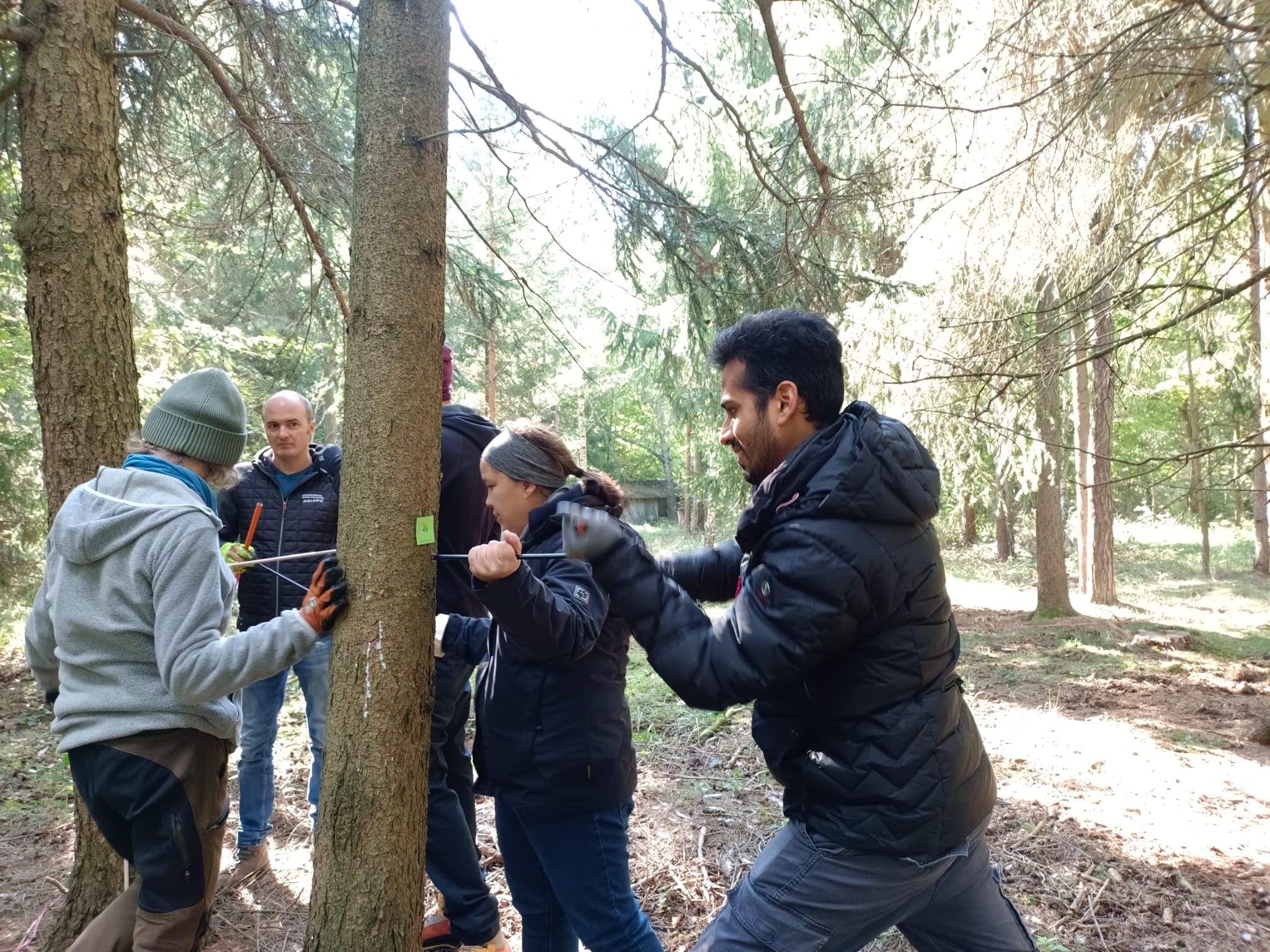
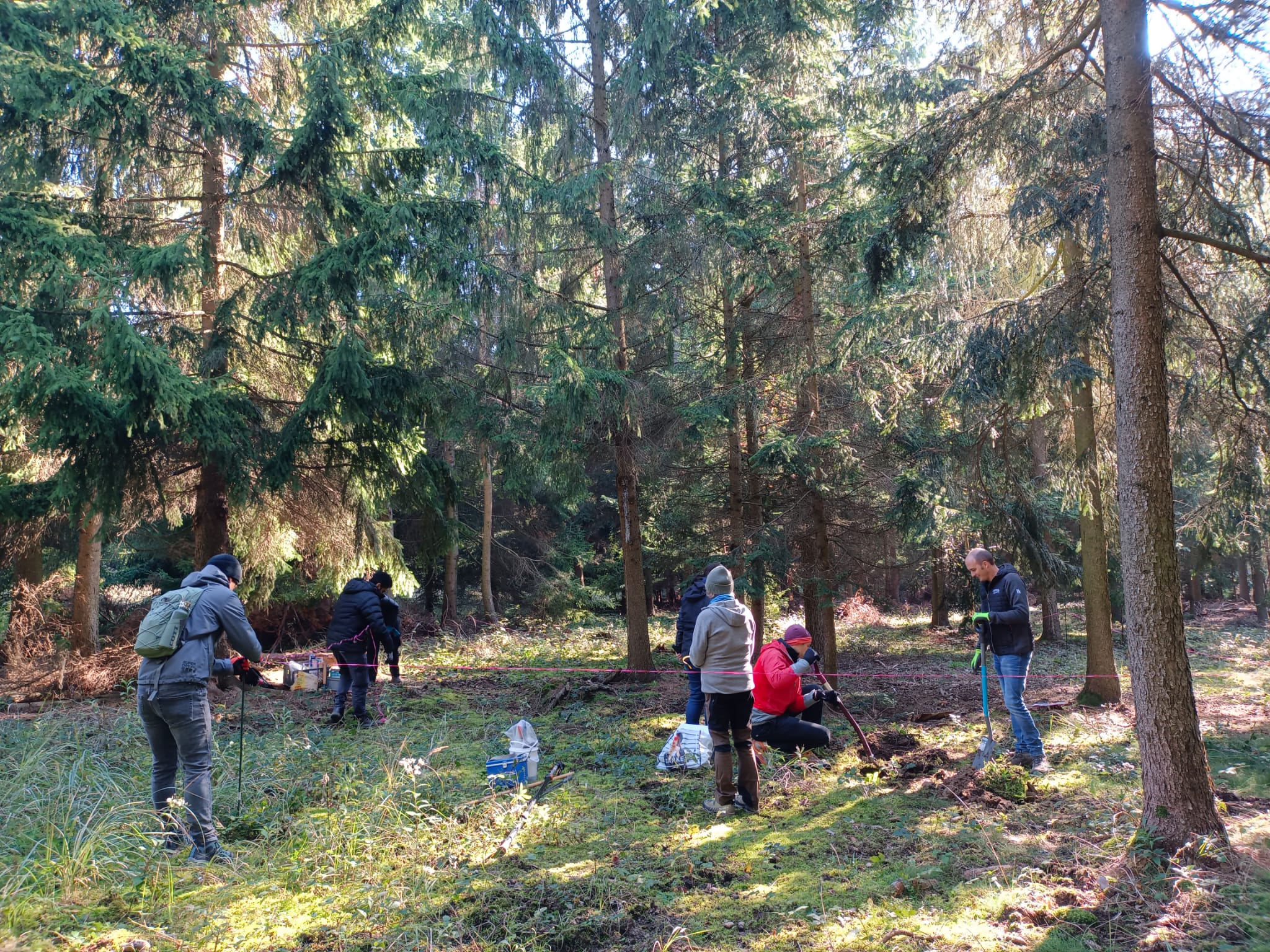
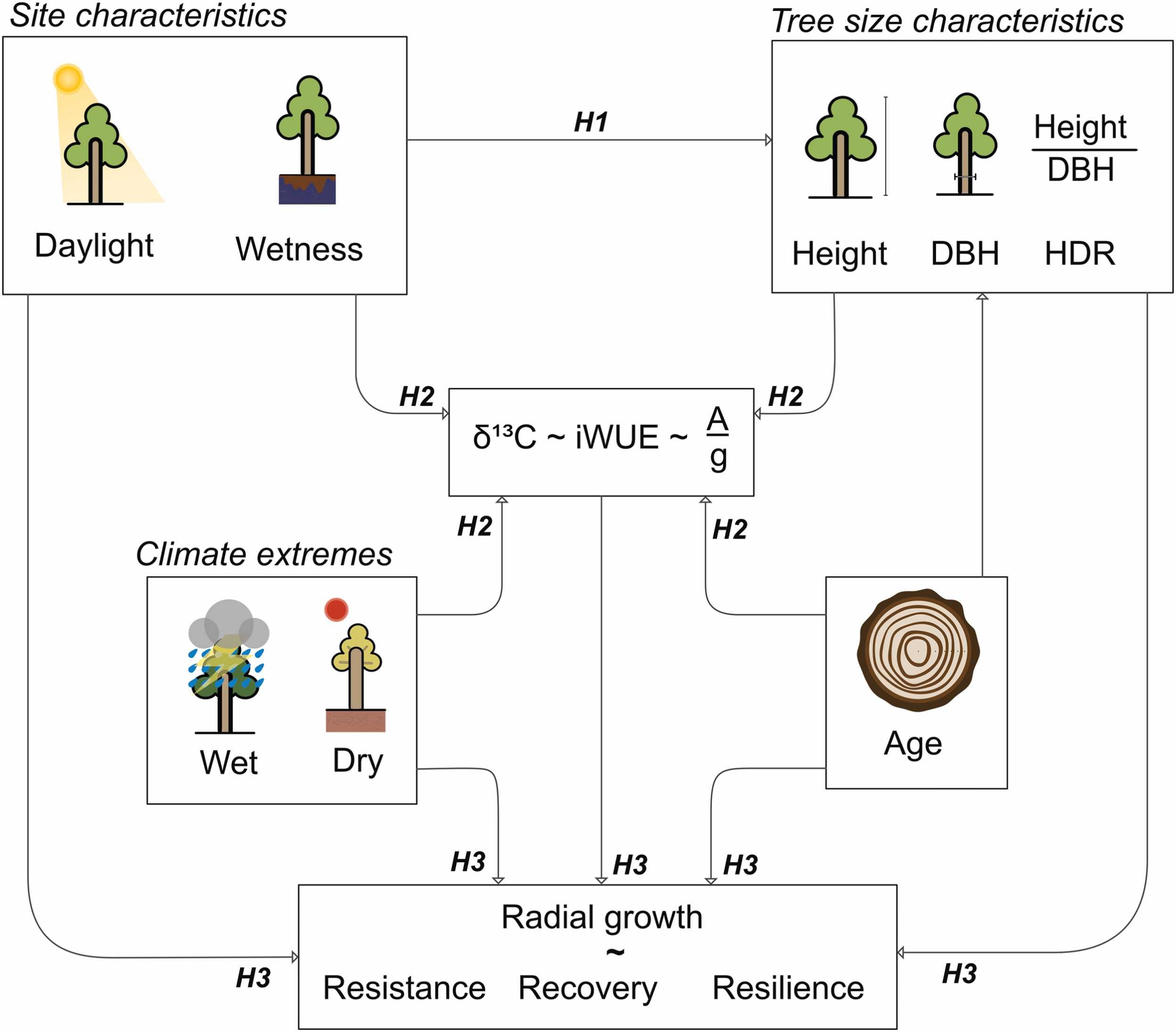
In our 2025 paper “Tree size and site environment affects sessile oak growth and intrinsic water‑use efficiency response to wet‑dry years” (Forest Ecology and Management 577: 122413), we analysed tree‑ring cores from 404 sessile oak (Quercus petraea) trees in Thayatal National Park, Austria. Trees typically regulate water loss by closing their stomata to preserve water and maintain leaf hydration. Although this adaptation increases water-use efficiency (iWUE), it reduces carbon uptake and can negatively impact tree growth. Trees must balance water conservation with carbon assimilation; prioritizing carbon uptake can lead to increased water loss and potential hydraulic failure due to xylem embolisms. Therefore, examining δ¹³C patterns in tree rings allows us to understand the historical responses of trees to drought, including their change in iWUE (Farquhar et al., 1982). We assessed radial growth and iWUE by measuring δ13C in latewood from a wet year (1987) and a dry year (1994) (researchgate.net).
- Drought responses: iWUE increased and radial growth decreased in the dry year, with high variability among individuals (link).
- Size and age: Older/larger trees maintained growth better during drought but recovered more slowly afterwards (link).
- Light and topography: Longer daylight improved iWUE and aided drought recovery; wetter positions influenced tree size but not iWUE (link).
- Management: Mixed‑age stands and site conditions (light, soil water) improve drought resilience (link).
Forsite 2 – Dynamic Forest Site Classification
Forsite 2 builds on a dynamic site classification in Austria to improve forest resilience and climate adaptation. It provides site‑specific data on soil water storage and vegetation mapping to guide species selection and management by integrating soil, climate and vegetation data. Here, the analysis of stable carbon isotopes (δ¹³C) in tree rings provides important information on how trees respond to drought conditions in the past. We have worked on this project along the climatic gradient and focussing on climate extreme years(Project-Page). My role focuses on incorporating stable isotope and tree‑ring analyses.