Profile
Dr. Kathiravan Meeran, Ph.D

Grasslands

ClimGrass Experiment

ClimGrass manipulates temperature (+3 °C via IR heaters), atmospheric CO2 (~+300 ppm), and rainfall to study grassland responses. Plots also undergo drought and combined treatments. (link).

We find that warmer climate under eCO2 can alter drought and post-drought responses of ecosystem CO2 fluxes and of C allocation from photosynthesis to belowground respiration (link).
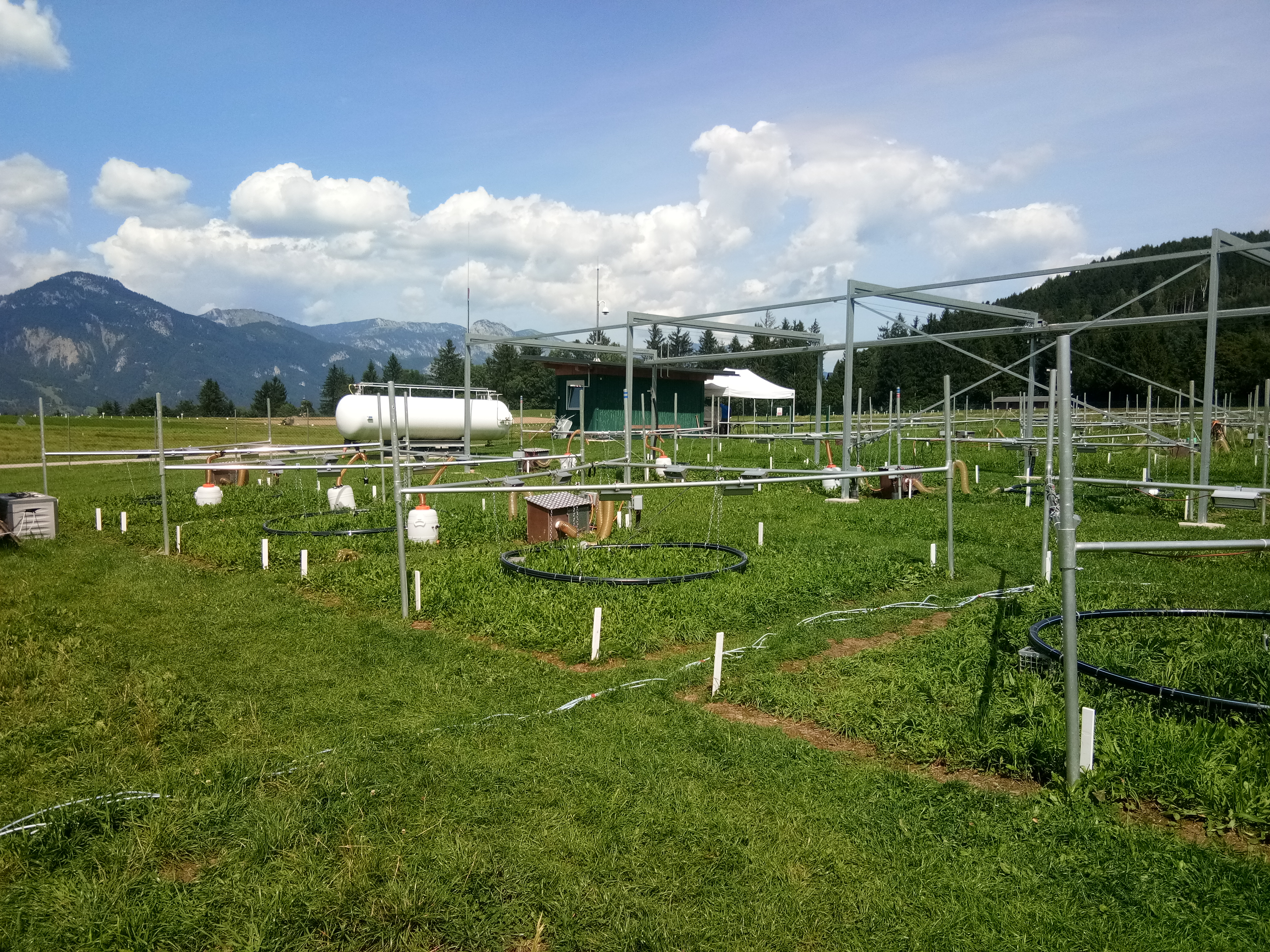
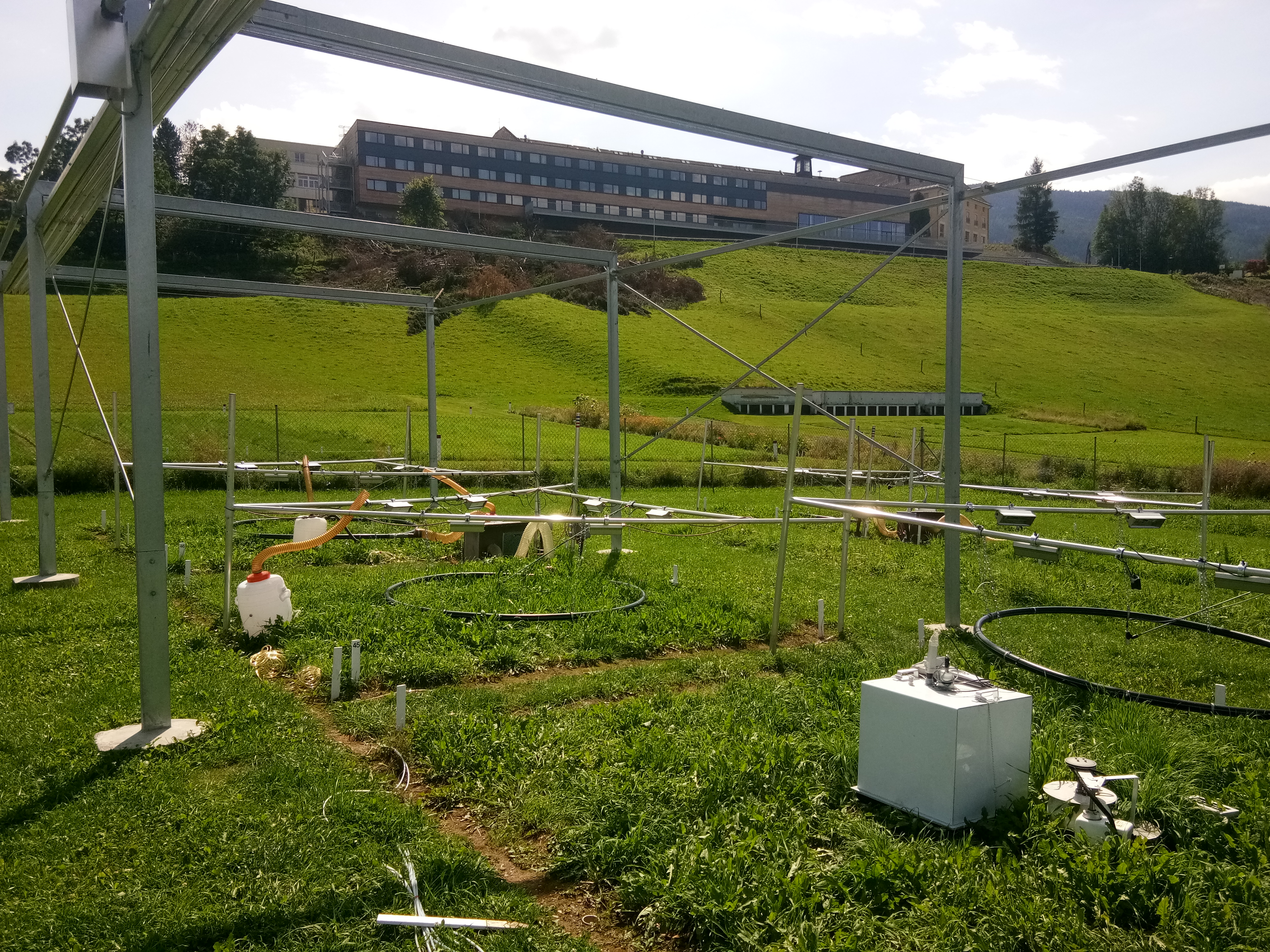
Warming and elevated CO2 plots at ClimGrass
Combined warming and elevated CO2 treatment plots at ClimGrass used to test future climate scenarios.
Drought treatment infrastructure
Rain‑out shelters and control systems imposing growing‑season drought on alpine grassland.
ClimGrass site panorama
Site overview: replicated plots with IR heaters and CO2 distribution lines.
Post-harvest sampling at plots
Post‑harvest sampling to quantify biomass and nutrient stocks after treatments.

Iceland Natural Warming

At a geothermal site in Iceland, natural soil warming revealed rapid carbon losses from subarctic grasslands—up to ~40% of soil C lost within the first years. Microbial communities adapted to higher temperatures, but the carbon cycle accelerated: more plant carbon transferred to microbes and released as CO2 (link).

N became limiting, and increased plant productivity could not compensate for the C loss. Stable 13C tracers mapped carbon pathways and showed reduced ecosystem carbon storage under warming.(link).
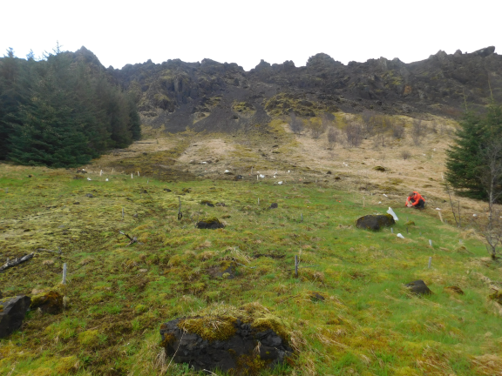
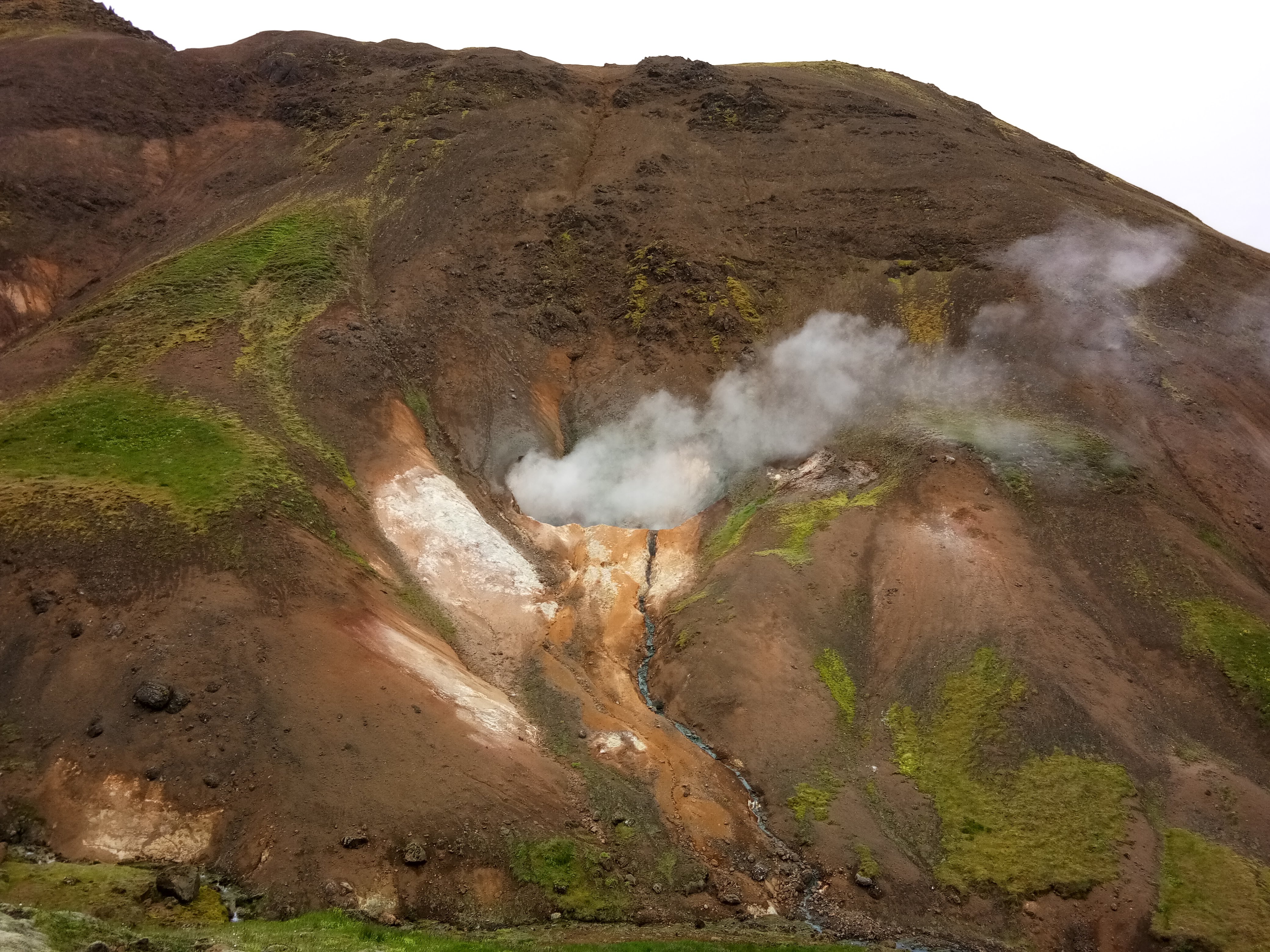
Geothermal warming gradients in Iceland
Natural geothermal gradients provide a space‑for‑time analogue for long‑term soil warming.
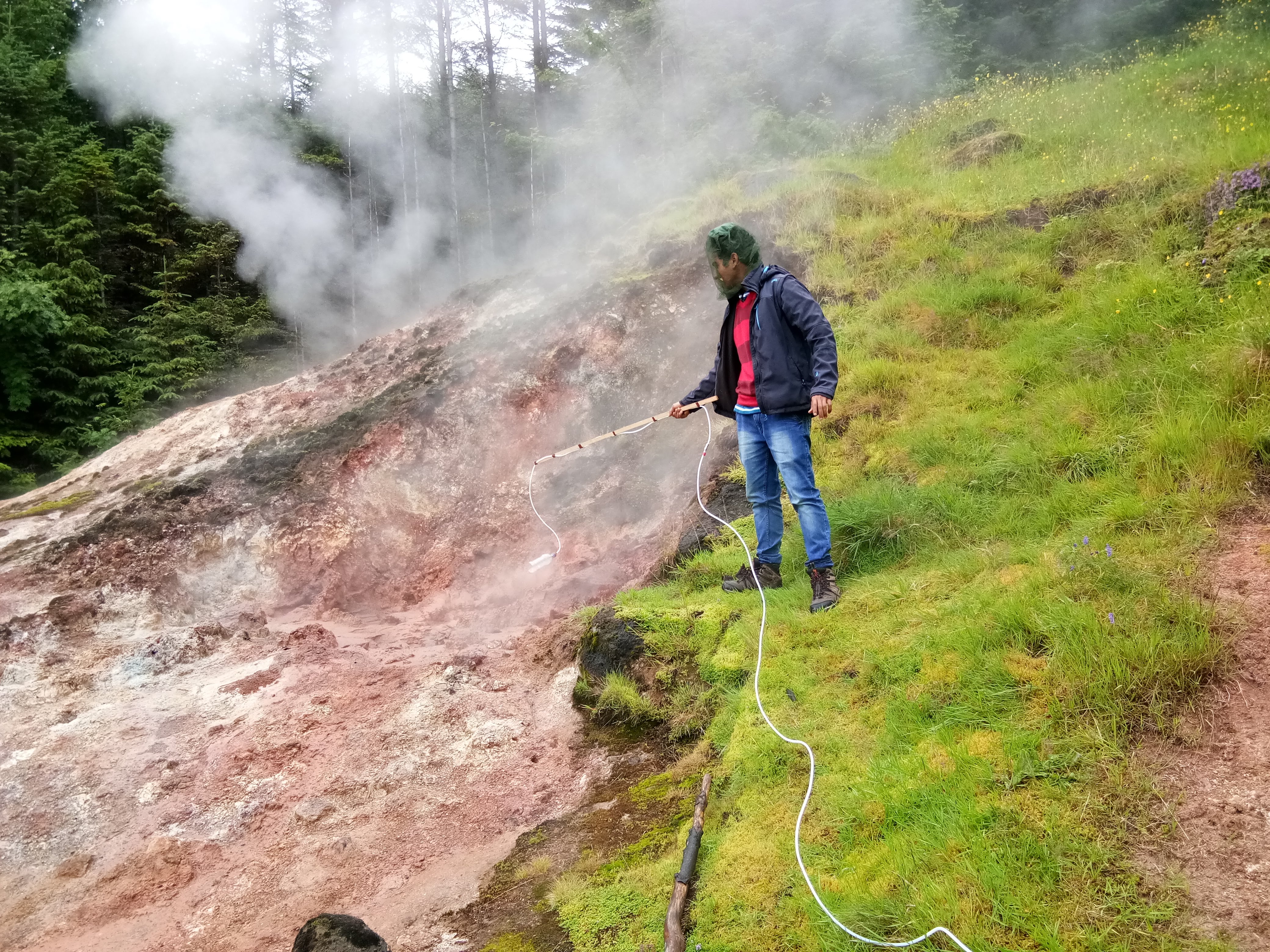
Geothermal vent at the subarctic site
Active vent heating soil profiles—ideal for testing temperature effects on carbon stocks.
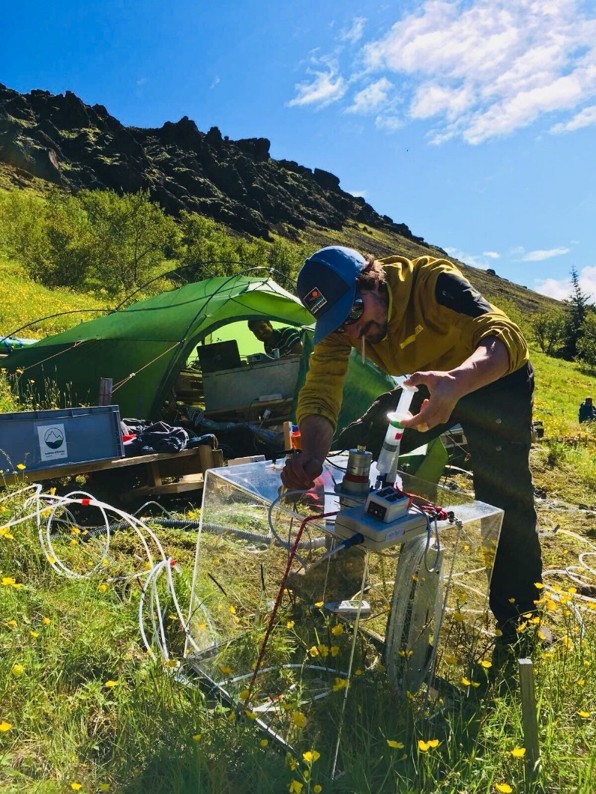
13CO2 pulse labelling of grassland
13CO2 pulse labelling to trace fresh plant carbon into microbial biomass and CO2 efflux.
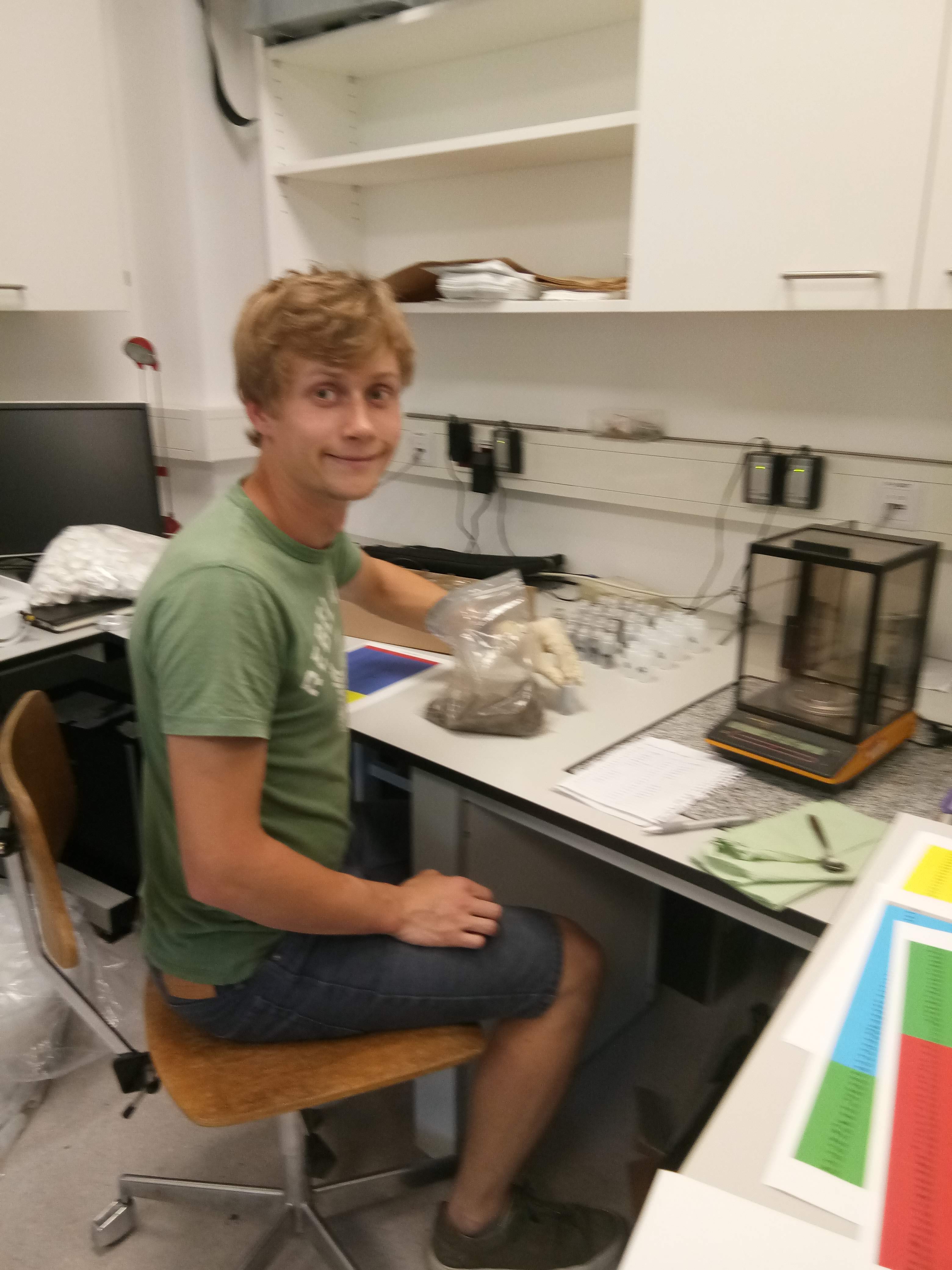
Laboratory incubation of soils
Laboratory incubations isolating temperature sensitivity of microbial respiration and priming.
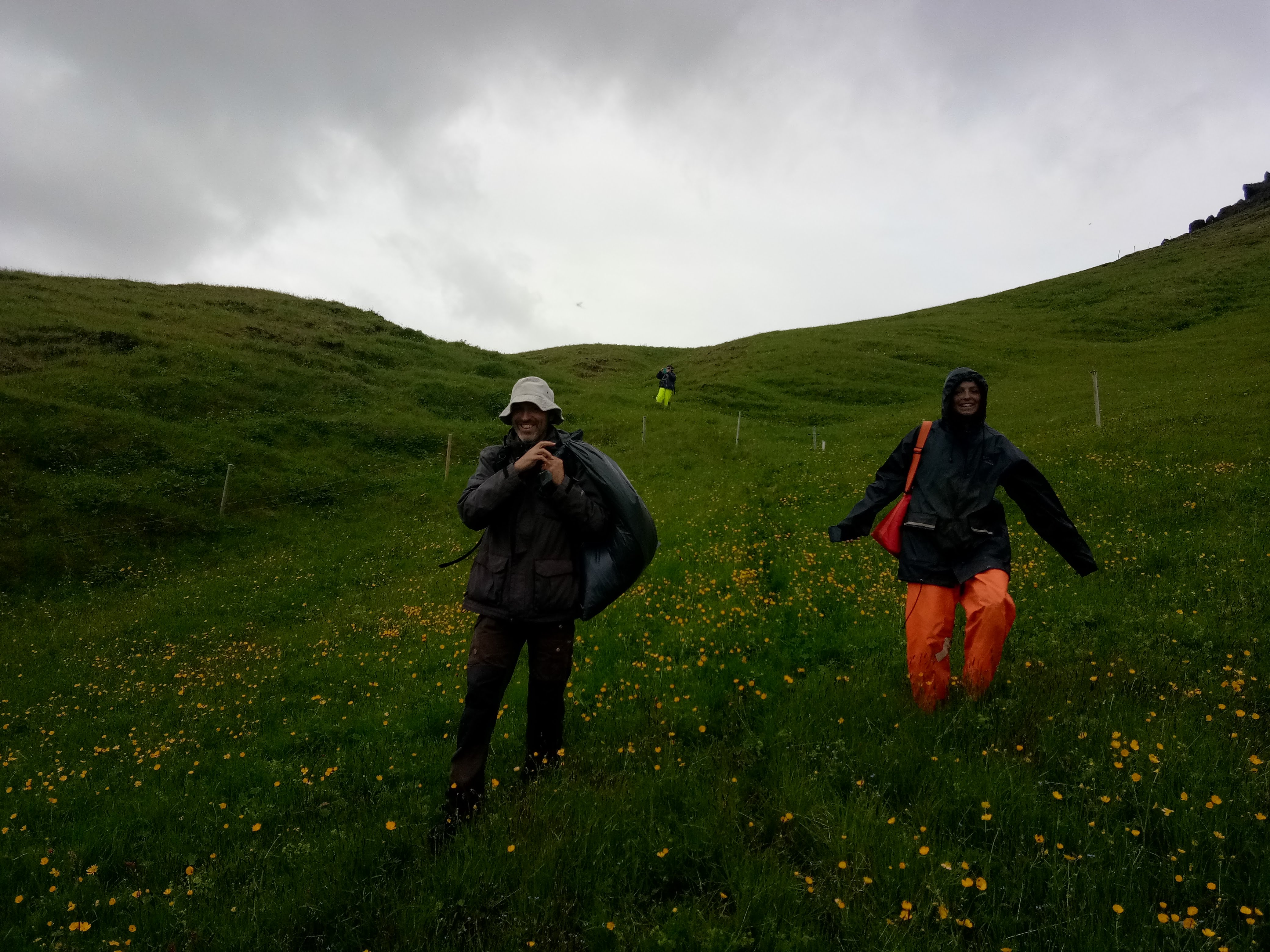
Field sampling in subarctic grassland
Field sampling campaign across the gradient to quantify stocks and process rates.
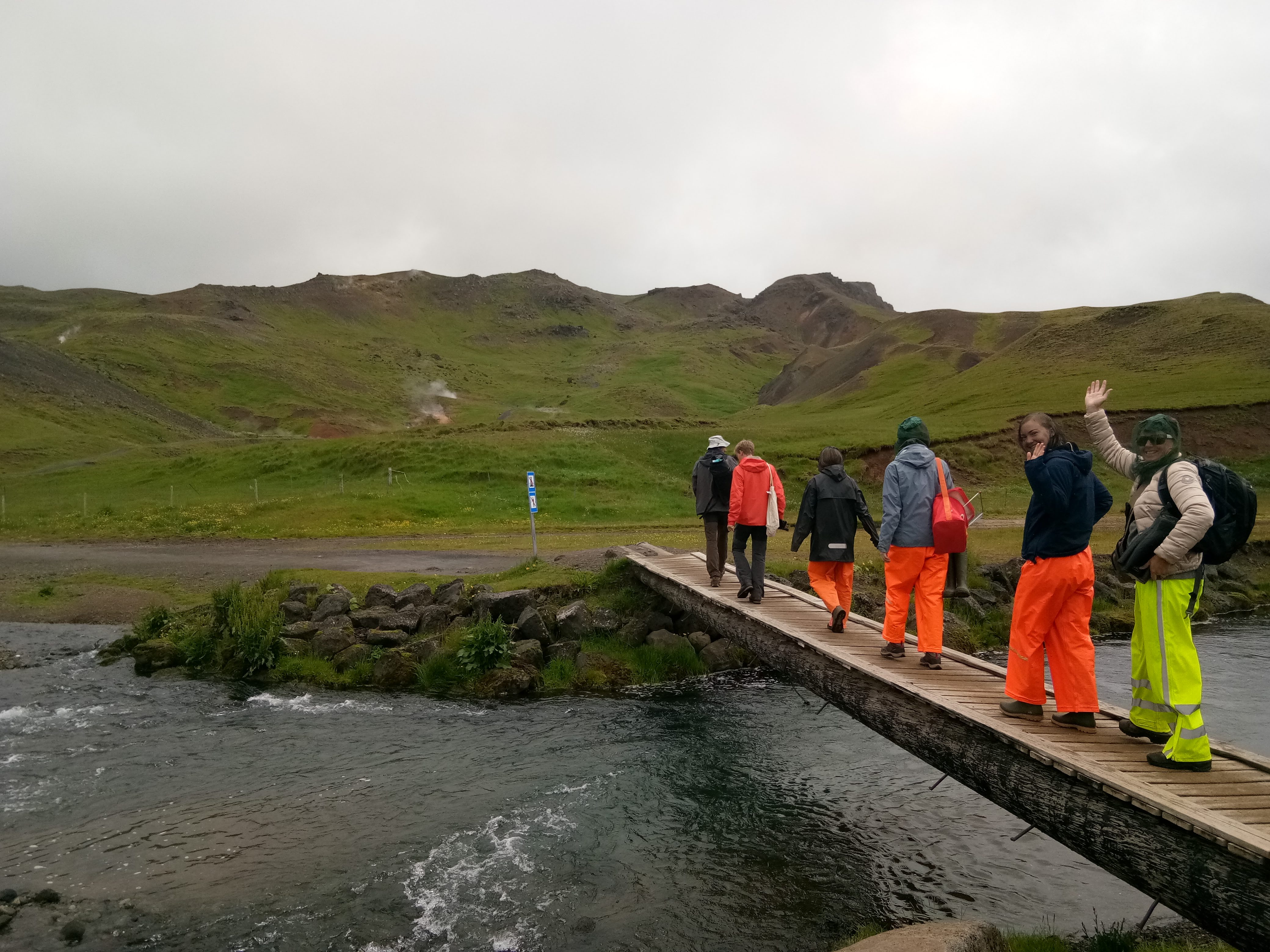
Field sampling with collaborators
Collaboration in the field—joint sampling with Prof. Ivan Janssens’ team.
Another geothermal vent location
Additional vent site illustrating heterogeneity in soil heating.